
Our website uses affiliate links. If you click through any of these affiliate links in this article to make a purchase, we may earn a small commission at no extra cost to you. As Amazon Associates, we earn from qualifying purchases. Read our Disclosure for more. Thanks for your support!
Everyone dreams of a trip to Rome, Paris or London for their next European getaway, but trust us, nothing beats a well-planned Central Europe itinerary.
Especially when the latter is sprinkled with popular destinations, like Prague, Vienna or Krakow, but also hidden gems, some of which you might not have even heard of before.
If you ask us, Central Europe is the ultimate destination because it feels as though it was made for slow travelling, as you’re about to read in this Central Europe itinerary.
Moreover, thanks to the region’s excellent train and bus connections, it’s easy to travel across Central Europe sustainably, forgetting about flights for a while and filling your eyes with gorgeous scenery as you go.
So, without further ado, here’s what the perfect Central Europe itinerary looks like.

Which Countries Are in Central Europe?
Before we dive deep into this Central Europe itinerary, let’s start with the basics. Which countries are part of Central Europe?
Although everyone has an idea about where Central Europe is located, the region is defined in several ways, with some versions including countries as far as the Baltic States, Switzerland or Croatia.
For the purposes of this guide, though, we will focus on the countries that form the core of Central Europe, are well-connected to one another and are commonly visited by travellers on the same trip.
Therefore, our Central Europe guide includes Hungary, Austria, Slovakia, the Czech Republic, Germany and Poland.

Best Time To Explore Central Europe
There’s no bad time to explore Central Europe, as all Central European countries are year-round destinations. So, the best time to visit Central Europe comes down to what you expect from your trip.
Depending on your interests, you might consider visiting in winter for a ski break or during the Christmas season to enjoy the delightful Christmas markets.
If you are a hiking enthusiast or nature lover, the shoulder seasons of spring and autumn are ideal for visiting Central Europe.
While summer months offer the best weather with higher temperatures and less rain, be prepared for tourist crowds and the possibility of heatwaves.

How To Get To Central Europe
You can fly in and out any major city in Central Europe, like Prague, Budapest or Vienna, and then continue your trip by bus or train – more on that in the next section.
How To Get Around Central Europe
There are several ways to get around Central Europe, but flying shouldn’t be one of them. The region’s train and bus networks are superb and distances aren’t that long to justify all this carbon footprint. So, land travel it is!
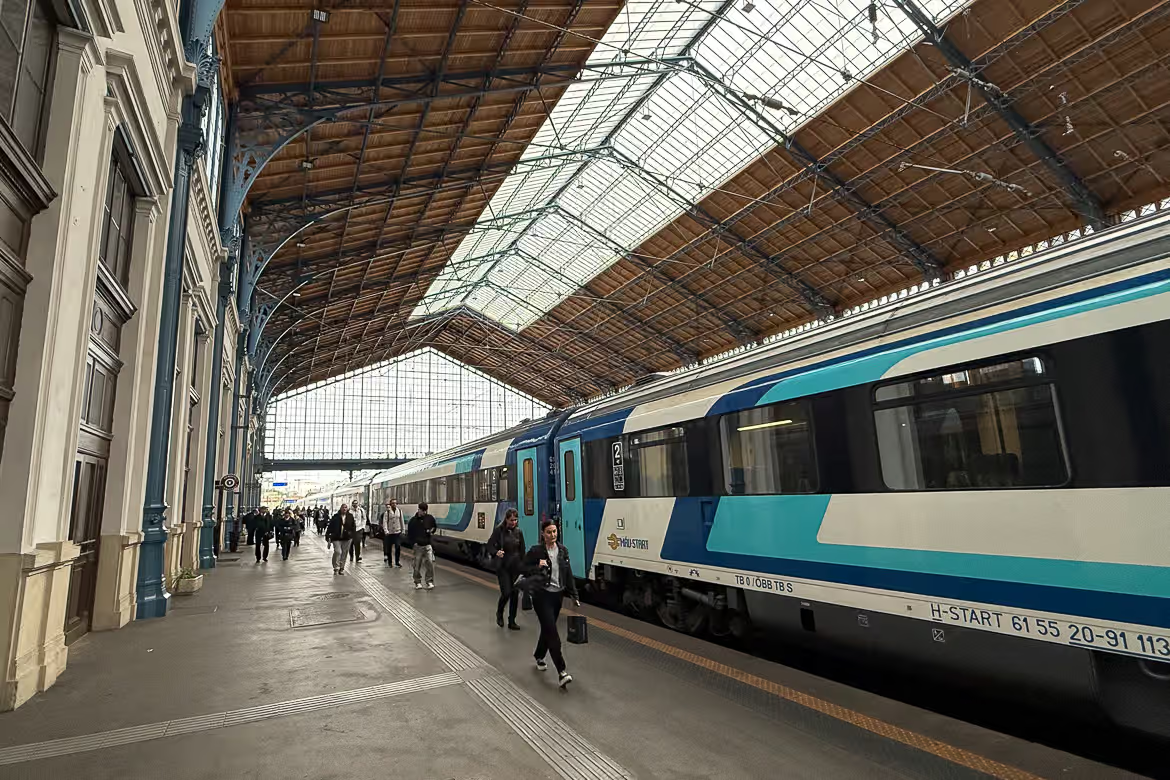
By Train
Our favourite way to travel around Central Europe is by train. In addition to being one of the best ways to travel sustainably, train travel is the most efficient and reliable way to get from one place to another.
The train network offers numerous routes that cover a large part of Central Europe, making it ideal for both short and long-distance trips.
Another great thing about travelling by train is the availability of various rail passes, which cater to different travel plans, whether you’re travelling across a single country or multiple countries.
The only downside to train travel is the limited luggage space on board, so it’s important to pack light. If you have a lot of luggage or prefer more flexibility, consider planning some of your trips by bus instead.
By Bus
The bus is another great way to travel around Central Europe. Bus companies provide numerous routes connecting various cities in the region.
Since buses are typically less spacious and comfortable than trains, they are best suited for shorter trips lasting between two and four hours.

By Car
If you’re travelling slowly and looking to explore the lesser-known areas of Central Europe and discover its hidden gems at your own pace, a road trip is the ideal option.
You can rent a car at any international airport in Central Europe. Before booking, make sure you check for any additional charges associated with driving your rental car across multiple countries.
However, if your plans only include Central Europe’s major cities, taking the train or bus is the best option.
Not only because train or bus travel is more eco-friendly, but also because driving in the big cities can be a real pain and really not worth it if you don’t plan to hit the countryside.

Travel Resources To Help You Plan The Perfect Trip in Central Europe
How This Slow Central Europe Itinerary Works
As you may have seen in our city itineraries in Europe, we usually encourage you to follow an exact route to make the most of your time in any given destination. However, this Central Europe itinerary works a bit differently.
We highlight the best cities we believe you should include in your travel plans, along with recommended durations for your stay in each city, and invite you to mix and match destinations according to your schedule and interests.
Therefore, this Central Europe itinerary isn’t set in stone. You can use it as a guideline to plan your trip to Central Europe. Feel free to create your own version by selecting the stops that best fit your needs and schedule.
Our suggested route is based on the proximity of the cities, including travel times by bus or train. This itinerary covers cities in Hungary, Slovakia, Austria, Czechia, Germany, and Poland.
Our Central Europe Itinerary Map
Before going into more detail, here’s our Central Europe itinerary on Google Maps. To use our map, click on the top right corner to open it on Google Maps and then click on the star to save it to your account.
How To Avoid All The Logistics of Your Central Europe Itinerary
If you’d rather skip straight to the good part rather than deal with any logistics whatsoever, you can use our travel planning services.
We offer one-on-one video consultations as well as bespoke itinerary planning, tailored to your preferences.
You’ll get personalised recommendations for hotels, tours and activities, with links to book them directly, as well as practical advice and tips on how to witness the authentic side of Central Europe.
Therefore, to make good use of our deep Central Europe knowledge and experience, visit this link and let’s take it from there.

The Perfect Central Europe Itinerary
1. Budapest
Start your Central Europe trip from the Hungarian capital. With numerous direct flights from most major European cities and the US, Budapest is a great place to start your land travel across Central Europe.
Highlights of Budapest
- Szechenyi Chain Bridge: The iconic 19th-century bridge is one of the eight bridges connecting Buda and Pest.
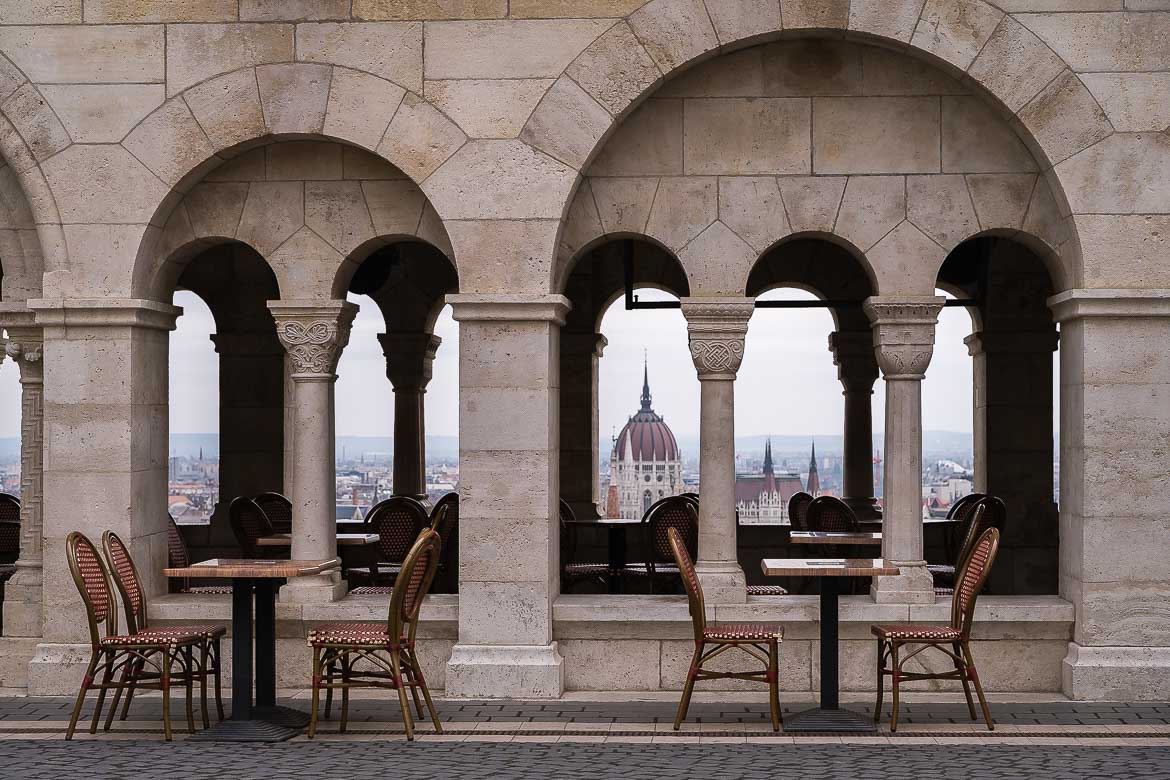
- Fisherman’s Bastion: Located on Buda Castle Hill, this historic bastion offers unparalleled views of Pest and the Danube River. The best time to visit is during sunset.
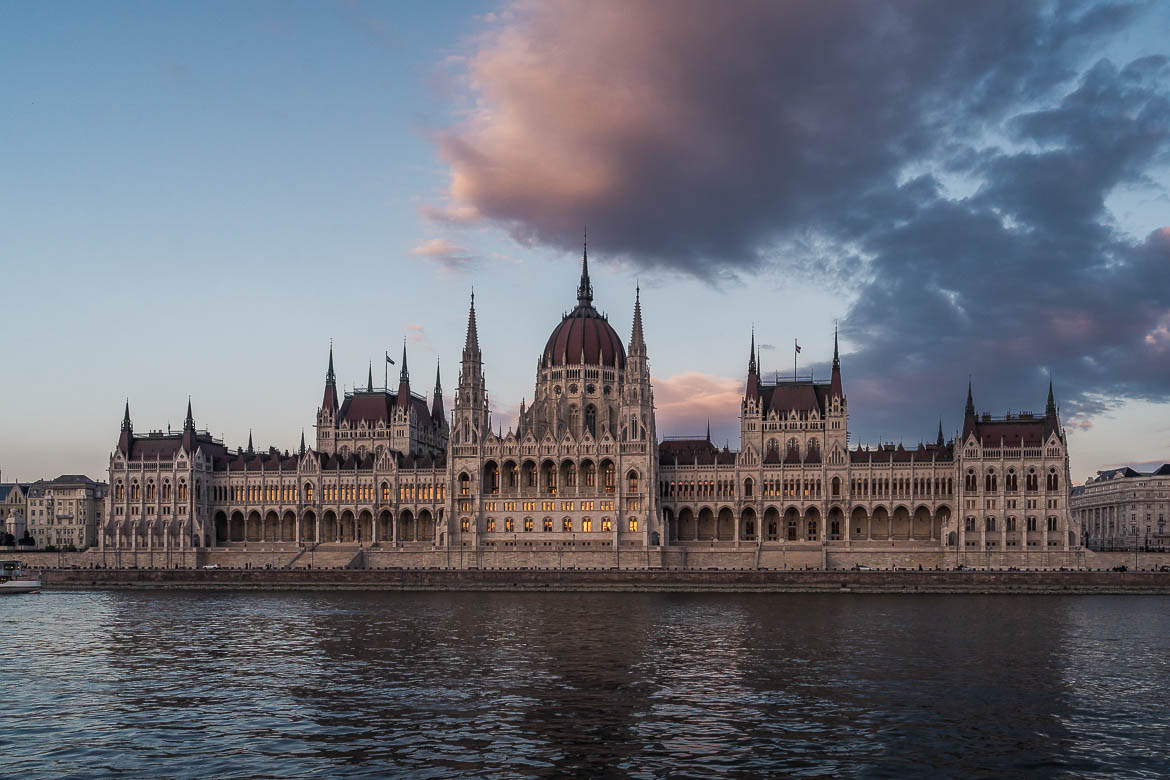
- Hungarian Parliament Building: The Neo-Gothic parliament building is the third-largest parliament building in the world. Its interior is as fascinating as its exterior, so make sure you plan a guided Parliament building visit.
- Szechenyi Baths: Budapest is known as the Spa Capital of The World. Although it’s hard to choose which of the Budapest thermal baths to visit, our recommendation for a one-time experience is the Széchenyi Thermal Baths complex.
Suggested Time To Spend in Budapest
We recommend spending at least three full days in Budapest. Add an extra day if you want to take a day trip from the capital or visit more than one of the city’s historic thermal baths.
Our slow 4-day Budapest itinerary covers all the main attractions you should visit, including a day trip to the quaint small town of Szentendre on the bank of the Danube River.
Where To Stay in Budapest
The best area to stay in Budapest for first-time visitors is Pest.
The 4-star Prestige Hotel offers a prime location near the Danube River in the heart of the city. Its spacious rooms, featuring luxurious touches, promise a comfortable stay during your trip to Budapest.
2. Bratislava
Set between Vienna and Budapest, the Slovakian capital is often overlooked. Bratislava is a bit less than three hours away from Budapest by train and even quicker if you take the bus.
Highlights of Bratislava
- Bratislava Castle: Located atop a hill in the heart of the city, the rather plain Bratislava Castle overlooks the Danube River and the Old Town. It’s ideal for a quick visit to admire the stunning vistas from the castle grounds rather than spending time inside.
- Bratislava Old Town: Explore the small historic centre of Bratislava and spend a couple of hours at one of its quaint cafés. While wandering around, discover some of the quirky bronze statues scattered across the Old Town.
- UFO Tower: Located just across the Old Town on the south bank of the Danube River, the UFO Tower offers panoramic views of the city from its observation deck. There’s also a bar-restaurant perfect for a meal or drinks with a view.

Suggested Time To Spend in Bratislava
Bratislava is a small city that is easy to explore on foot. You need two days to see the main attractions of Slovakia’s capital.
Where To Stay in Bratislava
The best area to stay in Bratislava is the Old Town. The 5-star Marrol’s Boutique Hotel boasts a convenient location within walking distance of Bratislava’s top attractions.

3. Vienna
The elegant capital of the once Austro-Hungarian Empire is an unmissable stop on your Central Europe itinerary. Vienna is only one hour by train or just over one hour by bus from Bratislava.

Highlights of Vienna
- Hofburg Palace: The Austrian capital is intertwined with the Habsburg monarchs who ruled for centuries until the First World War. Hofburg was their winter palace, now housing an insightful museum about the life of Sisi, the most popular Empress in Habsburg history.
- Vienna State Opera: Whether you’re a classical music enthusiast or not, the 19th-century Vienna State Opera is one of the most important operas in the world. You can visit the historic opera on a guided tour for a glimpse into Vienna’s musical heritage or watch a concert in the evening.
- Hundertwasser House: Located a bit outside Vienna’s historic centre, this colourful residential building is one of the quirkiest places in the city. You can’t visit the building inside as it’s a residential one, but it’s worth stopping by to admire its unique design.
- Demel Café: Vienna is renowned for its historic cafés and delicious desserts. Although there are numerous places to indulge in Viennese cake, Demel Café serves the best Sachertorte in the city.

Suggested Time To Spend in Vienna
Three days in Vienna are enough to see the main attractions and delve into the city’s sophisticated local culture.
Where To Stay in Vienna
One of the things we love about Vienna is its stylish hotels that offer an unparalleled accommodation experience.
While Innere Stadt is perfect for sightseeing there are several areas to stay in Vienna to choose from according to your needs and interests.
4. Graz
Austria’s second-largest city is worth a small detour before you continue your Central Europe trip to Czechia. The reason? Sustainability in Graz is not only a catchphrase but a way of life.
Graz is two and a half hours from Vienna, either by train or bus.

Highlights of Graz
- Schlossberg Hill: Overlooking the historic centre of Graz, Schlossberg Hill was once the royal residence of the Habsburg family. During the Napoleonic invasion, the buildings on the hill were razed, and only the Bell Tower and Clock Tower survived. Hop on the Schlossberg Funicular or Schlossberg Lift to explore the hill and enjoy stunning panoramic views.
- Murinsel: Floating on the Mur River, this island made of steel is one of the city’s futuristic constructions. It’s the perfect place to enjoy a coffee or refreshment while taking in the city from a different angle.
- Eggenberg Palace: Surrounded by lush gardens, the UNESCO-listed Eggenberg Palace is a fine example of harmonious architecture. The museum inside narrates the story of the Eggenberg family.

Suggested Time To Spend in Graz
Two to three days are enough to explore the compact city of Graz.
Where To Stay in Graz
Graz is home to several lovely family-run hotels, ideal for a comfortable stay.
Managed by the same family for three generations, the 4-star Hotel Gollner offers cosy rooms and a rich breakfast with local products from the nearby farmers’ market.
5. Brno
Located on the route from Vienna to Prague, Brno is not affected by massive tourism yet. Brno doesn’t ooze fairytale vibes like Prague. However, it’s an authentic city with a lively bar scene.
The second-largest city in the Czech Republic, Brno is a little over four hours by direct train from Graz. Alternatively, it’s one hour and a half by train or a little bit more by bus from Vienna.

Highlights of Brno
- Old Town Hall: Climb to the top of the Old Town Hall to enjoy panoramic views of the Old Town. At the entrance, don’t miss the legendary Brno Dragon hanging from the ceiling.
- Underground Labyrinth: Beneath the open-air Vegetable Market in Brno, there’s a vast underground labyrinth where farmers used to store their products. You can explore this intriguing area on a guided tour.
- Spilberk Castle: Strolling through the grounds of Spilberk Castle in the afternoon is one of the best things to do in Brno. Located in the heart of Brno, the dreamy castle complex is the perfect place to enjoy stunning views of the city during sunset.

Suggested Time To Spend in Brno
Two or three days in Brno are enough to enjoy the city’s vibes and visit the main attractions.
Where To Stay in Brno
Brno is a compact city, making it easy to explore its main attractions. Located in the heart of the city, the 4-star Hotel Passage combines luxury with art and design.
6. Prague
Prague is undoubtedly the highlight of any trip to Central Europe.
While the city can be packed with tourists and stag parties, its beauty is undeniable. Especially if you avoid focusing only on the heavily touristic parts of Prague’s Old Town.
Prague is around two and a half hours from Brno by train or by bus.

Highlights of Prague
- Charles Bridge: Adorned with impressive statues, the romantic 14th-century Charles Bridge is undoubtedly the most popular spot in Prague. To avoid the hordes of tourists, walk along the bridge at night or early in the morning.
- Old Town Hall: Located on the bustling Old Town Square, the Old Town Hall is popular not only for its renowned Astronomical Clock, but also for offering one of the best views in Prague from its viewing terrace.
- Riegrovy Sady: Prague is home to several parks and beer gardens. Every time we visit Prague, there’s no way we miss Riegrovy Sady. With a lovely beer garden and astonishing panoramic views of Prague Castle, this park should be high on your list of beautiful places to visit in Prague.

Suggested Time To Spend in Prague
With numerous things to do and see, Prague isn’t a city to visit just once. However, four days is a good start if you’re visiting Prague for the first time.
Have a look at our 4-day Prague itinerary to plan your trip to the fairytale-like capital of the Czech Republic.
Where To Stay in Prague
The most convenient area to stay in Prague is Stare Mesto, the Old Town, as all the main tourist attractions are within walking distance. That said, expect massive crowds of tourists there.
Located a few minutes’ walk from Charles Bridge, the historic 5-star The Mozart Prague is one of our favourite hotels in Prague.
However, don’t hesitate to stay in a different district of Prague. We’ve done it several times only to discover that every neighbourhood in Prague has its own charm.
Read our accommodation guide to Prague to find your favourite place to stay.
7. Karlovy Vary
If you want to spend more time in the Czech Republic, the spa town of Karlovy Vary is one of the best places to get pampered after sightseeing in Prague.
The bus is the fastest way to get from Prague to Karlovy Vary, as the journey takes around two hours.

Highlights of Karlovy Vary
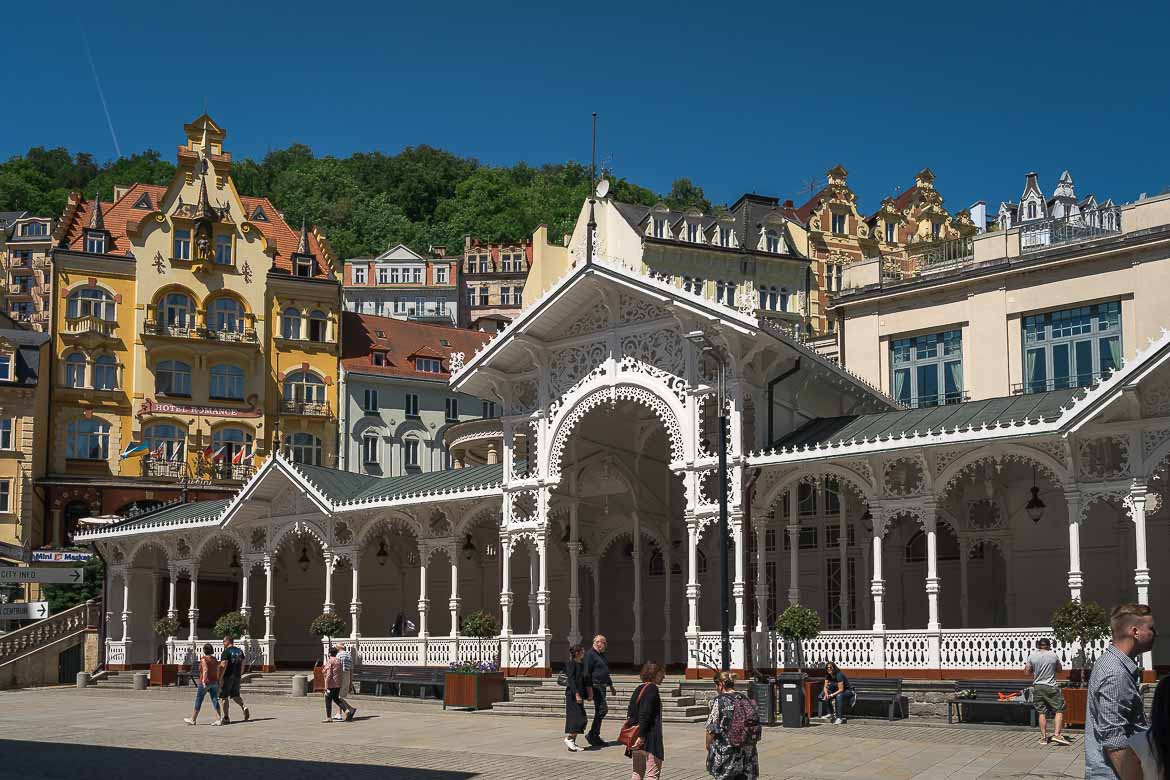
- Market Colonnade: Karlovy Vary has numerous gorgeous thermal springs scattered throughout the town, but the Market Colonnade stands out as the most elegant. Stop by the 19th-century wooden colonnade to fill your spa cup with warm water from its thermal springs.
- Thermal Hotel: The rather austere Thermal Hotel is on our list not for its accommodation services, but for its rooftop thermal pools. No matter the weather, put on your swimsuit and dive into the hot water while enjoying stunning views of the town.
- Diana Lookout Tower: Speaking of breathtaking views, this 40-metre-high watchtower looming above Karlovy Vary is one of the best spots to enjoy panoramic views of the town. The historical Diana Restaurant is perfect for a hearty lunch. To reach the tower, take the funicular near GrandHotel Pupp.
Suggested Time To Spend in Karlovy Vary
Karlovy Vary is one of the most popular day trips from Prague. However, we recommend spending at least two days there to fully experience this stunning town after the day trippers are gone.
Read our list of the best things to do in Karlovy Vary to see why it’s worth staying overnight.
If you have time, you can explore the region further to uncover all the secrets of the West Bohemian Spa Triangle.
Where To Stay in Karlovy Vary
The best area to stay in Karlovy Vary is the Spa Zone. Our top pick for your accommodation in Karlovy Vary is the legendary GrandHotel Pupp.
8. Liberec
Situated near the border with Poland and Germany, Liberec is one of the most underrated cities in Czechia. You can get to Liberec from Karlovy Vary in four hours by bus.
That said, the easiest way to reach Liberec is by bus from Prague in a little over an hour. Trains are much slower and this is why we don’t recommend them for this leg of your Central Europe itinerary.

Highlights of Liberec
- Liberec City Hall: The stunning 19th-century Neo-Rennaisance City Hall is one of the best places to visit in Liberec. Step inside to see the marvellous ceremonial hall and climb up the observation deck for magnificent views of the main square and the city centre.
- Jested Tower: Opened in the 1970s, the emblematic Jested Tower is a futuristic TV Tower, a 20-minute car drive from Liberec city centre. Visit the tower during sunset and enjoy dinner with spectacular views at the tower’s restaurant.
- Crystal Valley: If Czechia is on your list for its renowned Bohemia glass, this is the place to be. Within a 30-minute drive from Liberec, you can reach glass workshops and museums to learn everything about the art of glassblowing and the routes of glassmaking tradition in Bohemia.

Suggested Time To Spend in Liberec
We recommend spending at least two days in Liberec. Keep in mind that you might need to rent a car for this part of your Central Europe itinerary, as most points of interest are situated outside the city centre.
Where To Stay in Liberec
Opened in the 1930s, the 4-star Pytloun Grand Hotel Imperial is conveniently located in the city centre, near the Liberec bus and train stations.
This stylish hotel offers comfortable and impeccably clean rooms and an outstanding breakfast.
9. Berlin
Once divided into West and East Berlin, Germany’s controversial capital is now one of Europe’s major hubs. The endless list of the city’s highlights and things to do is a solid reason to visit Berlin repeatedly.
It’s not easy to get to Berlin from Liberec. The best option is to go back to Prague first. Berlin is frequently connected to Prague by train.
The train ride from Prague to Berlin is considered one of the most scenic in Europe. So, make sure you buy your train tickets for a daytime journey. It takes only four and a half hours to get to Berlin from Prague.
Highlights of Berlin
- Reichstag: A short walk from the emblematic Brandenburg Gate, the 19th-century Reichstag Building is the seat of the German Parliament. The Reichstag dome is an engineering masterpiece, while the views from the rooftop terrace are magnificent. Before your visit, you must register online.
- East Side Gallery: The Berlin Wall divided the city for many years. This surviving part of the Berlin Wall became an open-air gallery adorned with murals celebrating freedom and the fall of the wall. The Kiss between Brezhnev and Honecker is one of the most iconic murals on the wall.
- Holocaust Memorial: One of the top attractions in Berlin for Second World War history enthusiasts is the Holocaust Memorial near Brandenburg Gate. Composed of hundreds of concrete blocks creating a vast graveyard setting, the impressive memorial is dedicated to the three million Jewish victims of the Holocaust. Don’t miss the moving information centre under the memorial.

Suggested Time To Spend in Berlin
As mentioned above, Berlin isn’t a destination to visit only once. However, if you’re a first-time visitor, you should visit for at least four to five days to see the main attractions.
Where To Stay in Berlin
Although Mitte, Berlin’s city centre, isn’t the most hyped neighbourhood, it’s the ideal area to stay if you’re visiting Berlin for the first time.
The elegant Boutique Hotel Chateau Royal boasts an excellent location, a few minutes from Berlin’s main attractions and the metro.

10. Poznan
Situated near the border, Poznan is the first Polish city you reach as you travel from Germany towards the east. This picturesque bijou city is only two and a half hours from Berlin by train or less than four hours by bus.
Highlights of Poznan
- Old Market Square: The manicured Old Market Square has been fully reconstructed after being destroyed in the Second World War. The colourful buildings and the imposing Renaissance Town Hall make Old Market Square one of the most beautiful squares in Poland.
- Croissant Museum: One of the best experiences we had in Poznan was the interactive show at the Croissant Museum. Besides learning everything about St. Martin’s Croissant, Poznan’s PGI product, you will see how it’s made and, at the end, taste it.
- Enigma Cipher Centre: For science enthusiasts or those who loved the film The Imitating Game with Benedict Cumberbatch, the Enigma Cipher Centre showcases how three Polish students contributed to breaking the Enigma Code.

Suggested Time To Spend in Poznan
Three days are enough to see Poznan’s main attractions and enjoy the city’s authentic ambience.
Where To Stay in Poznan
Poznan’s Old Town is the ideal area to stay to explore the compact city. Don Prestige Residence is our favourite family-run hotel in Poznan, a few minutes’ walk from the Old Market Square.

11. Lodz
Before visiting Warsaw, consider visiting Lodz, a truly off-the-beaten-path city with a rich textile industrial past, lots of Jewish history and an incredible film-making heritage.
The best way to get to Lodz from Poznan is by bus. The journey takes less than three hours.
Highlights of Lodz
- Manufaktura: The 19th-century Manufaktura was one of the largest textile factories in Lodz. The historic complex is the first among many that was recently fully renovated and converted into a shopping and arts centre. Inside the complex, visit the small Museum of The Factory to dive into Manufaktura’s rich past.
- Piotrkowska Street: While other cities in Poland boast fairytale-like Old Market Squares, Lodz’s city centre stretches along the vibrant Piotrkowska Street. Lined with elegant buildings from the city’s glorious industrial past, Piotrkowska hides quaint passages and courtyards, such as the shiny Rose Passage.
- Radegast Train Station: The old Radegast Train Station retains its original wooden frame. Along with the Tunnel of Memory, it’s a Holocaust Memorial dedicated to the Jews who were transported from the Lodz Ghetto to various extermination camps.

Suggested Time To Spend in Lodz
Two to three days are enough to experience all the things Lodz has to offer.
Where To Stay in Lodz
Although Lodz doesn’t have a distinct city centre, we recommend staying near the pedestrianised part of Piotrkowska Street.
Located within walking distance from the city’s main attractions, the 4-star Hotel Pietryna offers stylish comfortable rooms in the heart of Lodz.

12. Warsaw
Only one hour by train and an hour and a half by bus from Lodz, Warsaw is a must-visit city in Poland.
Highlights of Warsaw
- Warsaw Old Town: The UNESCO-listed Old Town of Warsaw has been completely restored after being destroyed in the Second World War. On your first day in Warsaw, make sure you explore the quaint streets around the colourful Old Town Market Place.
- Palace of Culture and Science: In the 1950s, the Soviets gifted the Poles the Palace of Culture and Science, hence known as Stalin’s Gift. It’s the perfect place to enjoy panoramic views of the Polish capital from its viewing terrace.
- Vodka Museum: Museums in Warsaw aren’t dull. Learning the city’s history by tasting Poland’s national drink at the Vodka Museum is one of the best things to do in Warsaw in winter.

Suggested Time To Spend in Warsaw
Spend at least three days in Warsaw if it’s your first time in Poland’s capital.
Where To Stay in Warsaw
Warsaw’s city centre is the best area to stay to visit the main points of interest without rushing. Housed in the former Bishop’s Palace, the 5-star Hotel Bellotto features elegant rooms in the heart of Warsaw.

13. Krakow
No Central Europe itinerary would be complete without Poland’s former capital city. The fastest way to get to Krakow from Warsaw is by train in two and a half hours.
Highlights of Krakow
- Main Market Square: The 13th-century Krakow Main Square is considered one of the most beautiful in Poland. With so many attractions to see, the medieval Market Square should definitely be part of your Krakow itinerary.
- Oskar Schindler’s Factory: Widely known through Steven Spielberg’s film, Oskar Schindler was a Nazi member who saved 1200 Jews by offering them jobs at his enamel factory. Now, Oskar Schindler’s Factory is one of Krakow’s most popular WW2 attractions.
- Wieliczka Salt Mine: Dating back to the 13th century, the UNESCO-listed Wieliczka Salt Mine is one of the most impressive places to visit in Krakow. Follow the miners’ steps into Krakow’s depths to see salt sculptures, a lake and even a chapel entirely made of salt.

Suggested Time To Spend in Krakow
We recommend spending at least four full days in Krakow. This will allow you enough time to add a day trip to the notorious Auschwitz concentration camp.
Where To Stay in Krakow
Our favourite place to stay in Krakow is Kazimierz, the former Jewish quarter, now an authentic and vibrant neighbourhood within walking distance of the city’s historic centre.
With an excellent location at the edge of the Old Town, the 4-star 1891 Garni Hotel offers spacious and stylish rooms for a comfortable stay in Krakow.

If you made it to the end of this admittedly very long blog post, it means you’re being serious about planning a trip to Central Europe soon. Good for you. We promise that Central Europe won’t disappoint.
We hope our Central Europe itinerary inspires you to take your time visiting this beautiful region, mixing and matching famous and lesser-known destinations to create a fabulous trip you will remember for years to come.
WORDS & IMAGES: Katerina
EDITING: Maria


