Our website uses affiliate links. If you click through any of these affiliate links in this article to make a purchase, we may earn a small commission at no extra cost to you. As Amazon Associates, we earn from qualifying purchases. Read our Disclosure for more. Thanks for your support!
Curious to know what to do in Thessaloniki? Greece’s second city is an exciting blend of rich history, unique culture and a local lifestyle that prioritises good food, great company and unforgettable moments.
Thessaloniki isn’t just a city. It’s a whole vibe that’s hard to put into words. Yet, in this article, we tried.
Keep reading to find out what to do in Thessaloniki, this captivating city in Northern Greece that seduces visitors with its cool sea breeze, quaint meze restaurants and slow pace of life.
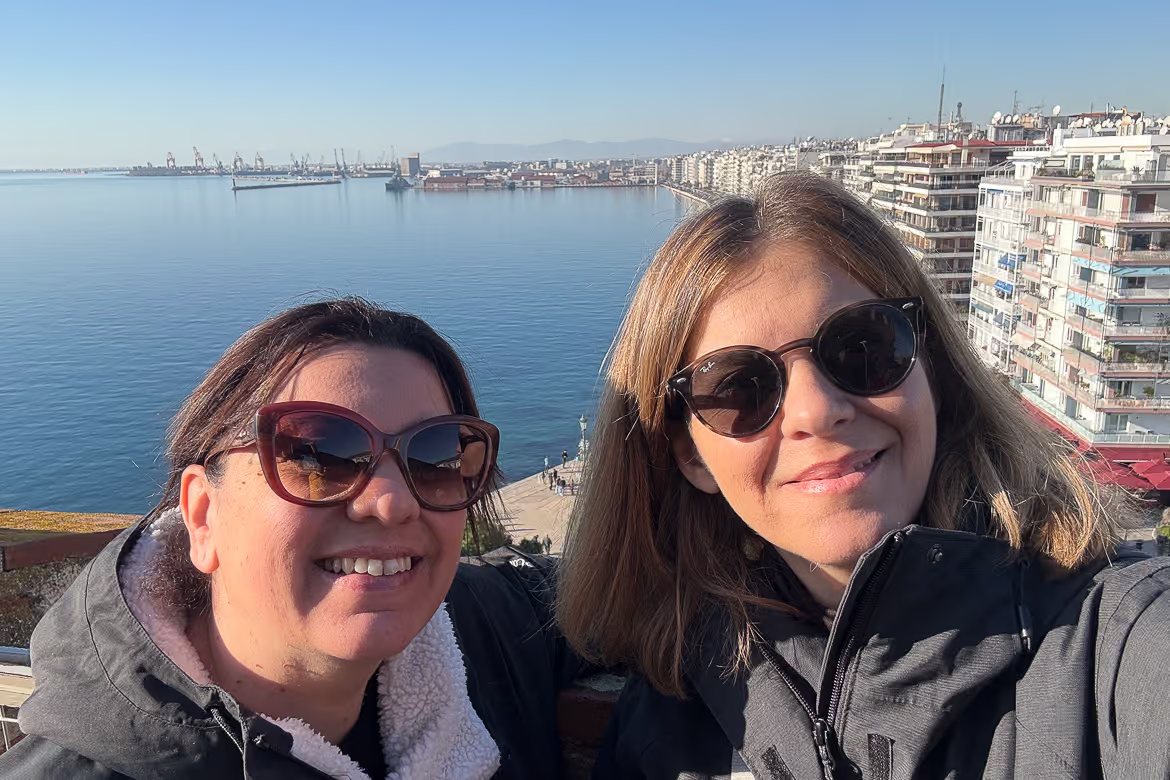
If you’re considering a trip to our home country soon, we’re here to answer all your questions.
Click here to book a 60-minute video call with us or purchase a travel planning bundle that consists of a video call and a Greece itinerary, customised to your travel needs and desires.
Learn more about our travel planning services.
Is Thessaloniki Worth Visiting?
Situated at the historical crossroads between Rome and Constantinople (modern-day Istanbul), Thessaloniki reflects both eastern and western European elements in a fascinating blend.
Over the centuries, the once co-reigning city of the Byzantine Empire, the so-called Symvasilevousa, became a melting pot of cultures by integrating different communities, including Turks, Greeks, Jews, and refugees from Asia Minor.
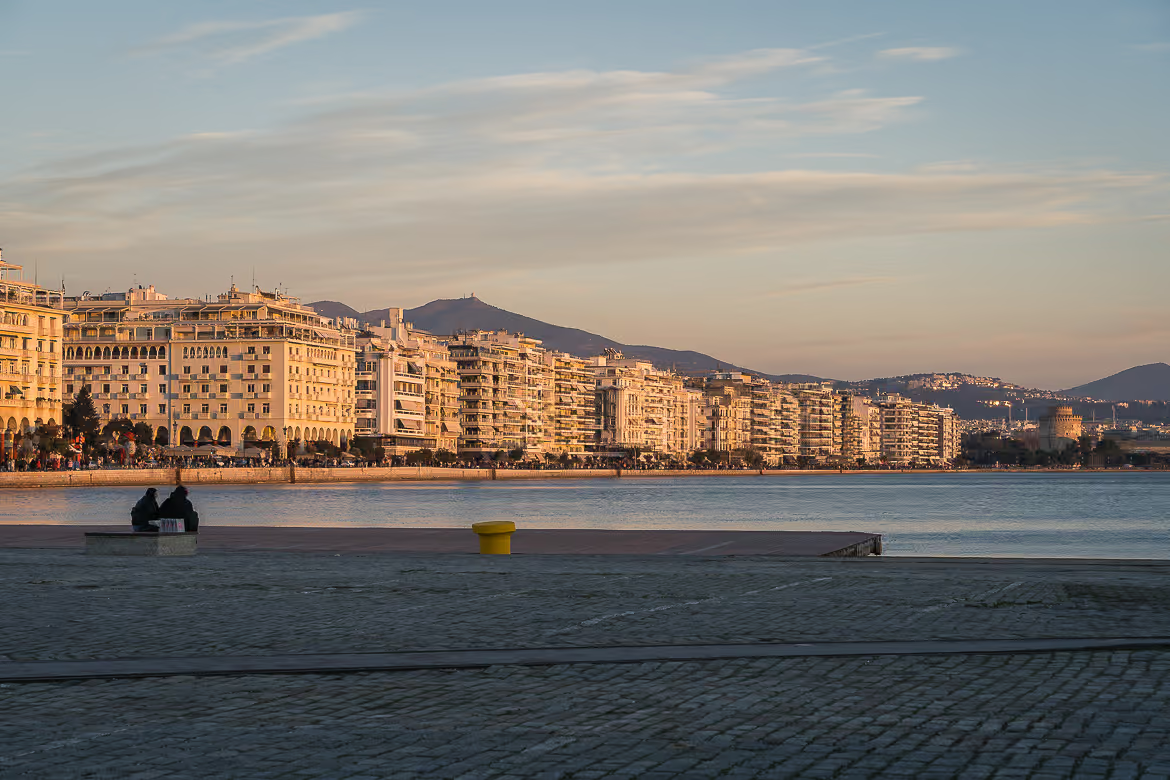
Unlike Athens, Thessaloniki is a seaside city, much smaller than the Greek capital, with a walkable city centre.
Thessaloniki isn’t chaotic, its perfect size allowing you to wander around its streets on foot, witnessing local life everywhere you go, without spending a lifetime in commuting.
Moreover, Thessaloniki’s city centre isn’t reserved just for tourists, like in other big European cities, including Athens. Downtown Thessaloniki is where locals still live.
Above all, Thessaloniki is worth visiting for the sea breeze coming from the Aegean Sea, the European energy coming from the west and the culinary legacy inherited from the east.
Where Is Thessaloniki?
Situated in Northern Greece, near the Balkan countries of Bulgaria and North Macedonia, Thessaloniki is Greece’s second-largest city.
The city is also called Symprotevousa, meaning co-capital, a term which is probably used only in Greece.
How Many Days in Thessaloniki?
To see all the main attractions in Thessaloniki, you need three full days.
However, feel free to spend more days to fully enjoy the lively city or take day trips to the beaches of Chalkidiki, Kerkini Lake, or the ancient ruins of Vergina.
If you’re not sure how to plan your trip to Thessaloniki, we’re here to answer all your questions. Click this link to book a call with us or order a custom itinerary for your trip to Thessaloniki and Greece.
When Is The Best Time To Visit Thessaloniki?
When planning a trip to Greece, you should avoid visiting big cities like Thessaloniki in July and August.
Although Thessaloniki is in Northern Greece, the city experiences high temperatures and heatwaves during the summer months.
The city is a year-round destination, being a bit colder than Athens in winter. Yet, it’s still lively, as Thessaloniki is a university city and locals are more outgoing than the average Greek.
However, to fully enjoy the city vibes and good weather, the best time to visit Thessaloniki is from March to November, except for July and August, as mentioned earlier.
The most important annual cultural events and feasts you might want to avoid if you don’t like the crowds, or join if you’re up for the fun, are the Thessaloniki International Fair in early September, the Thessaloniki Film Festival in November and St. Dimitrios Day on October 26th.
How To Get To Thessaloniki
By Air
Thessaloniki has an international airport with direct flights from all over Europe.
Thessaloniki International Airport is a half-hour drive from the city centre. There is a bus service with three bus lines that take you from the airport to the city centre of Thessaloniki.
However, if you’re a large group or have heavy luggage, the easiest way to get directly to your hotel is to book a private transfer.
By Bus
Thessaloniki is only a couple of hours’ drive from the borders of neighbouring Bulgaria and North Macedonia.
If you’re travelling from a Balkan country, Thessaloniki has better bus connections to Sofia with frequent routes, as Bulgaria is an EU member.
There are also bus connections to Skopje in North Macedonia and Istanbul in Turkey.
If you’re travelling across Greece, Thessaloniki is well-connected to Athens and most major Greek cities worth visiting, such as Volos and Ioannina.
Check out international bus routes and timetables here.
By Train
Unlike the rest of Europe, international train connections to and from Thessaloniki and the rest of the country are suspended.
So, if you’re a train lover and prefer land travel, the bus is the best alternative for you to get to Thessaloniki.
By Car
Thessaloniki is the northern gateway to Greece if you’re on a road trip across the Balkans. Sofia is a 5-hour drive away, with an easy border crossing because Bulgaria is in the EU.
Skopje in North Macedonia is three hours by car, but add more time at the border checkpoint.
By Ferry
Thessaloniki has a port but no international passenger ferry connections.
However, there are several ferries to and from the Greek islands, with frequent routes mainly to the Sporades Islands and the North Aegean Islands during the high season.
To continue your trip to some of the best Greek islands after Thessaloniki, check out ferry routes and timetables here.
How To Get Around Thessaloniki
Thessaloniki city centre is flat and walkable. Most major attractions are within walking distance of each other. The only time you need to take public transport or a taxi is to Ano Poli (Upper Town), one of the city’s uphill neighbourhoods.
However, if you have to use public transportation, Thessaloniki has a good bus service with frequent routes and boasts a brand-new metro line.
If you plan a road trip in Northern Greece, pick up your rental car after or before your stay in Thessaloniki, as driving and parking in the centre of Thessaloniki isn’t the best idea.
Where To Stay in Thessaloniki
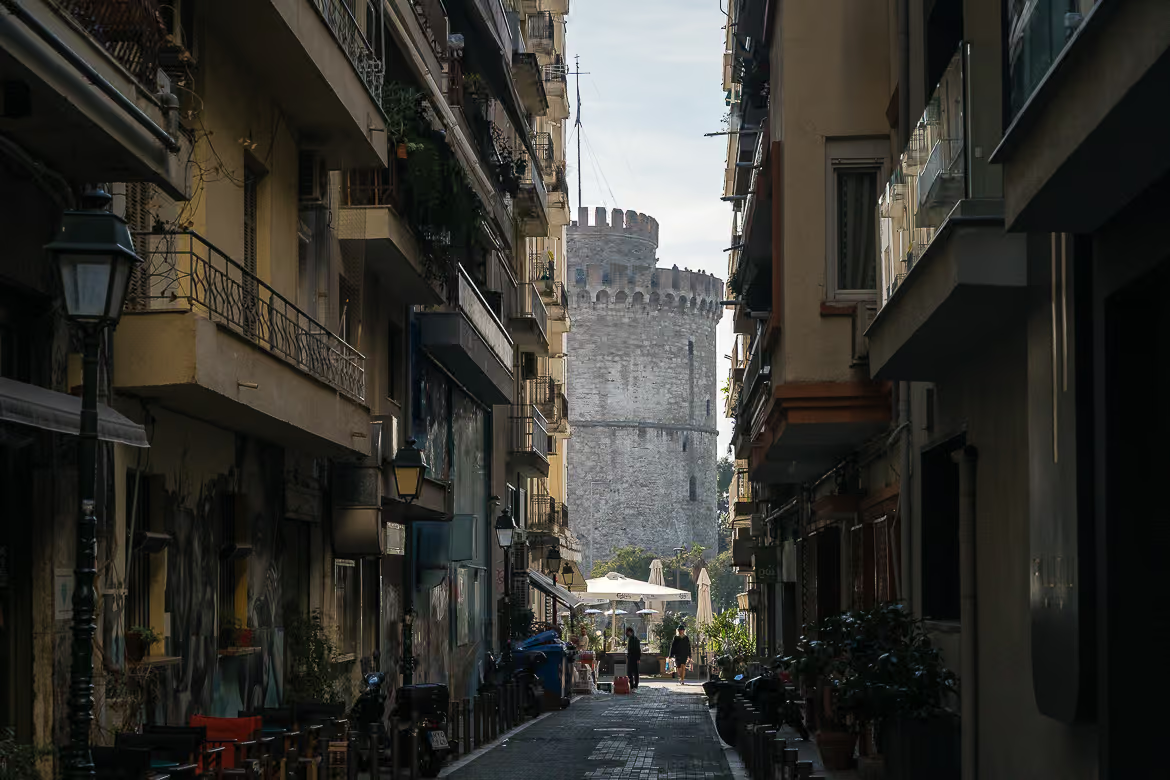
The best area to stay in Thessaloniki is anywhere in the city centre. From the district of Ladadika to Aristotelous Square and the White Tower, there are exquisite boutique hotels renowned for their hospitality.
One of our favourite hotels in Thessaloniki is Gatto Perso Studios & Apartments near the Roman Forum and the bustling Olympou Street.
This small hotel is housed in a historic building and offers sparklingly clean, elegant rooms.
Travel Resources To Help You Plan Your Trip To Thessaloniki Greece
What To Do in Thessaloniki
1. Climb The White Tower
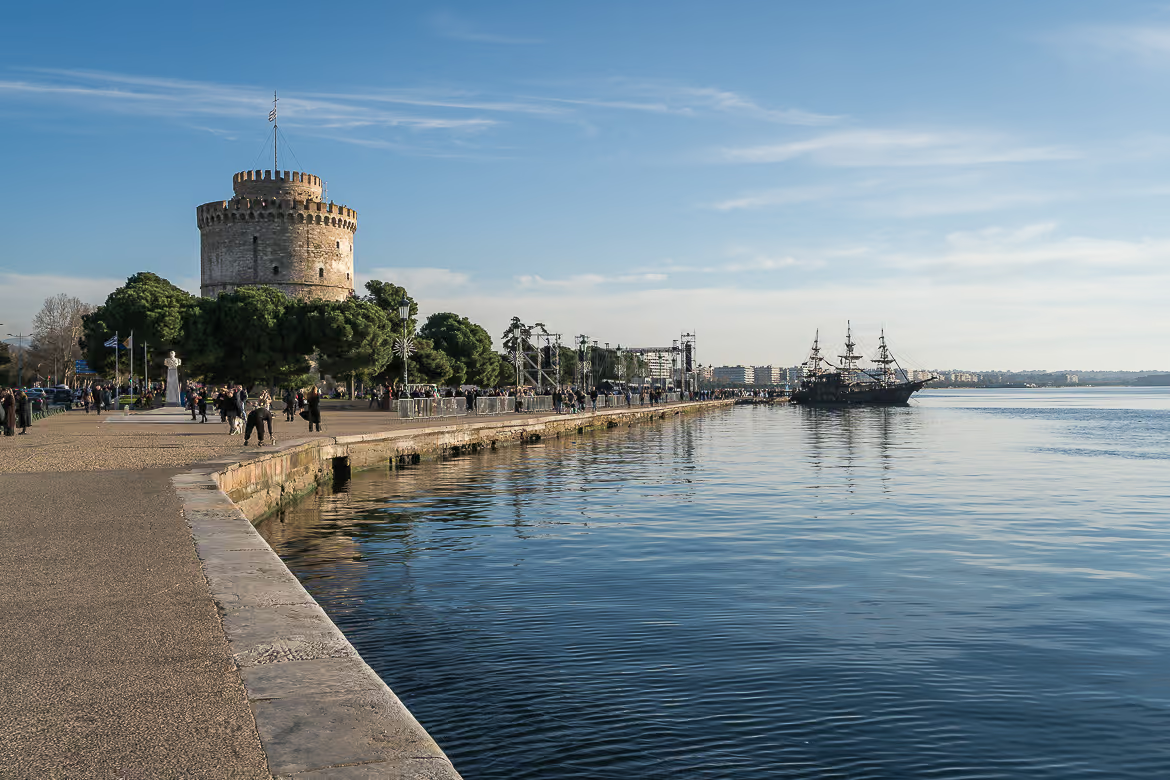
Located along the waterfront, the 15th-century iconic tower should be your first stop when you visit Thessaloniki. The White Tower is the only surviving part of the Ottoman coastal fortification.
Once a dreary prison covered in blood and a place of execution, the White Tower now houses a fascinating museum that showcases the city’s rich history.
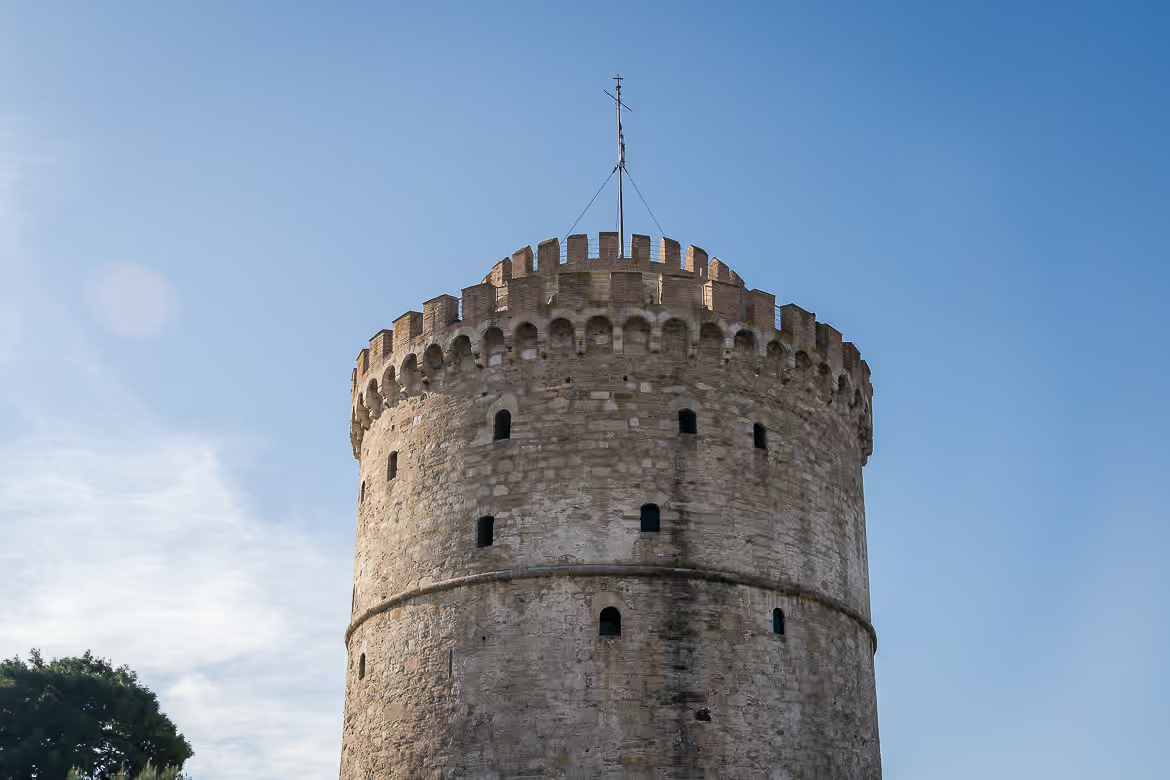
The museum features six floors, each covering a different historic period in the city’s history. From the viewing terrace, you’ll enjoy great views of Thessaloniki’s waterfront and the Thermaic Gulf.
There’s no elevator for visitors with mobility issues, but climbing is easy thanks to wide corridors with large steps.
2. Walk Along The Waterfront
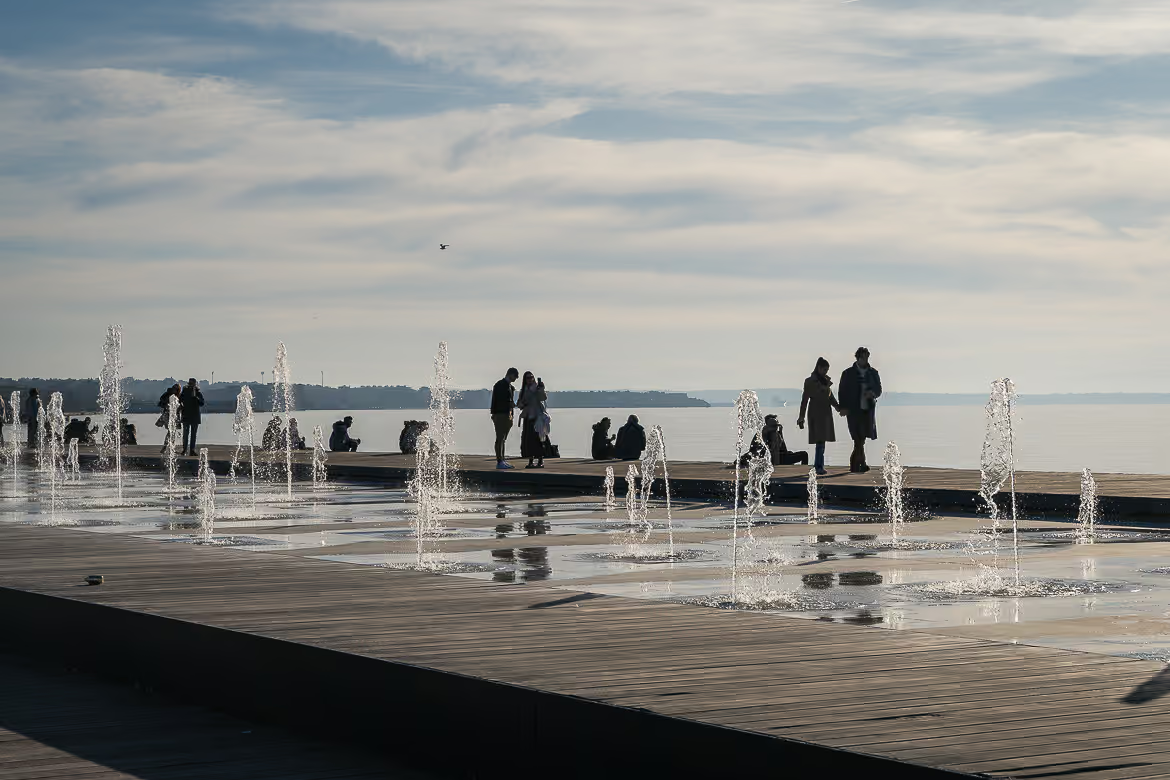
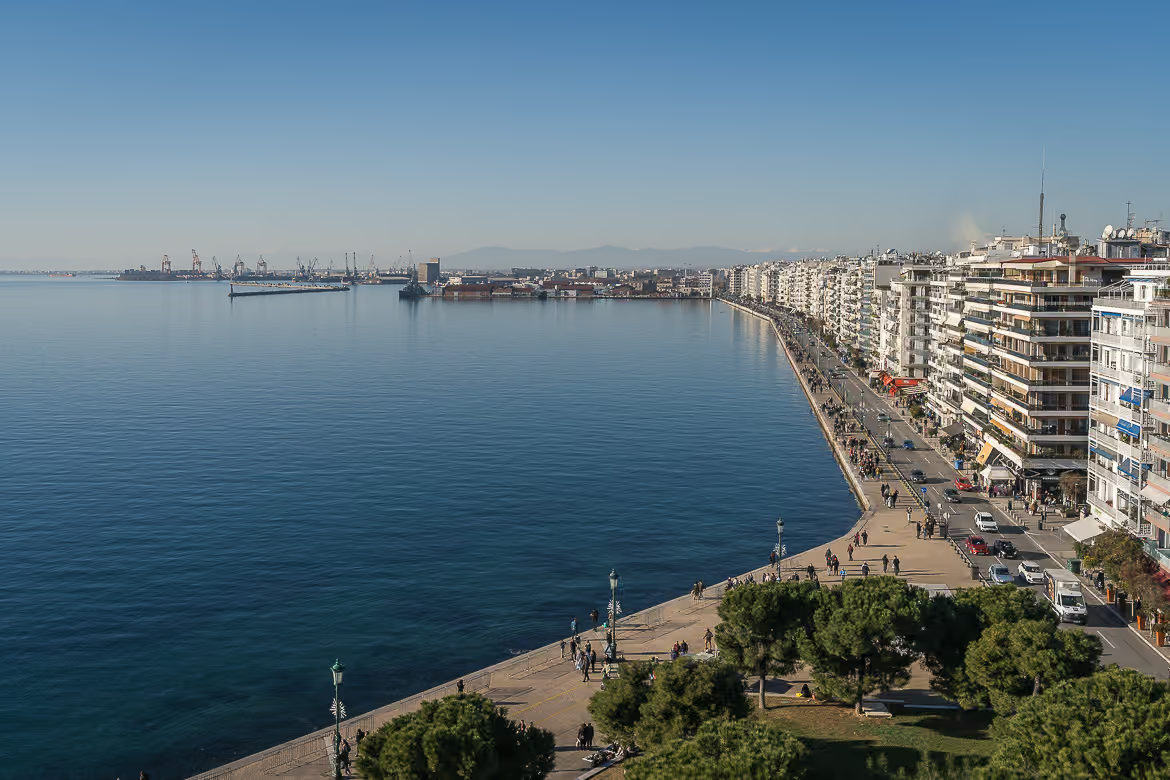
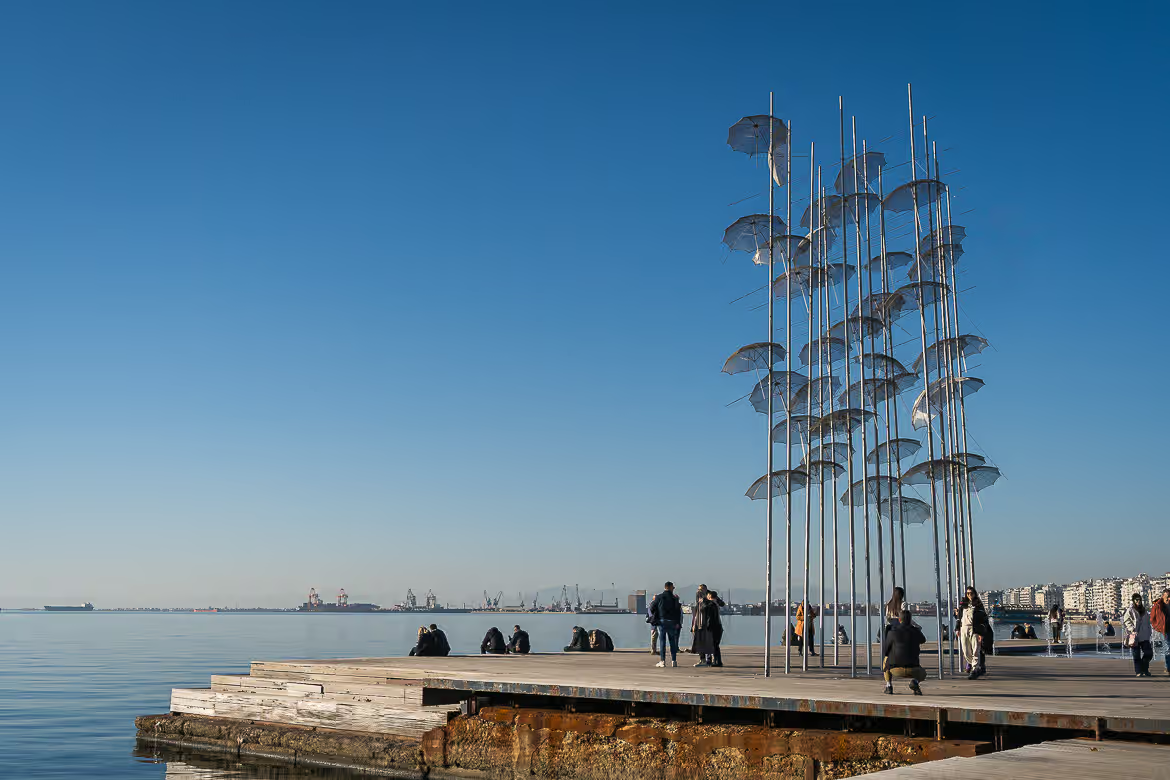
One of the top things to do in Thessaloniki is to walk along the city’s quaint waterfront. Start your walk from the Old Port until you reach Aristotelous Square and Nikis Avenue, where you’ll find fancy bars and coffee shops.
Continue beyond the White Tower to see the statue of Alexander the Great and the iconic art installations of the Umbrellas and the Little Moon.
3. Try Bougatsa
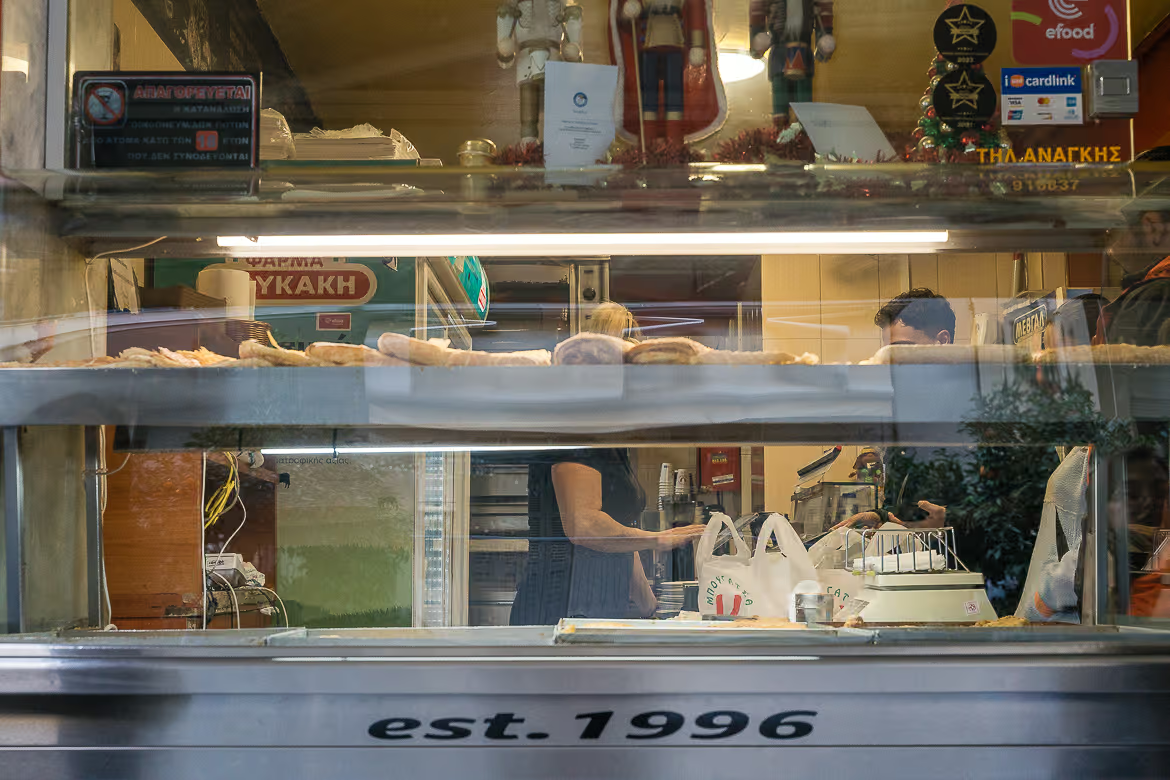
You know you’re in Thessaloniki when you start your day with a mouthwatering bougatsa.
Popular in Thessaloniki and Northern Greece in general, bougatsa is a handmade pastry with either a sweet or a savoury filling and one of the best vegetarian Greek staples you should try.
Traditionally, sweet bougatsa is filled with custard cream and topped with sugar and cinnamon, whereas the savoury one is filled with feta cheese or spinach.
Among the most popular places to try bougatsa is Bougatsa Giannis near the White Tower. However, if you don’t want to wait in line, try bougatsa anywhere else. You won’t get disappointed.
4. Savour Trigona Panoramatos
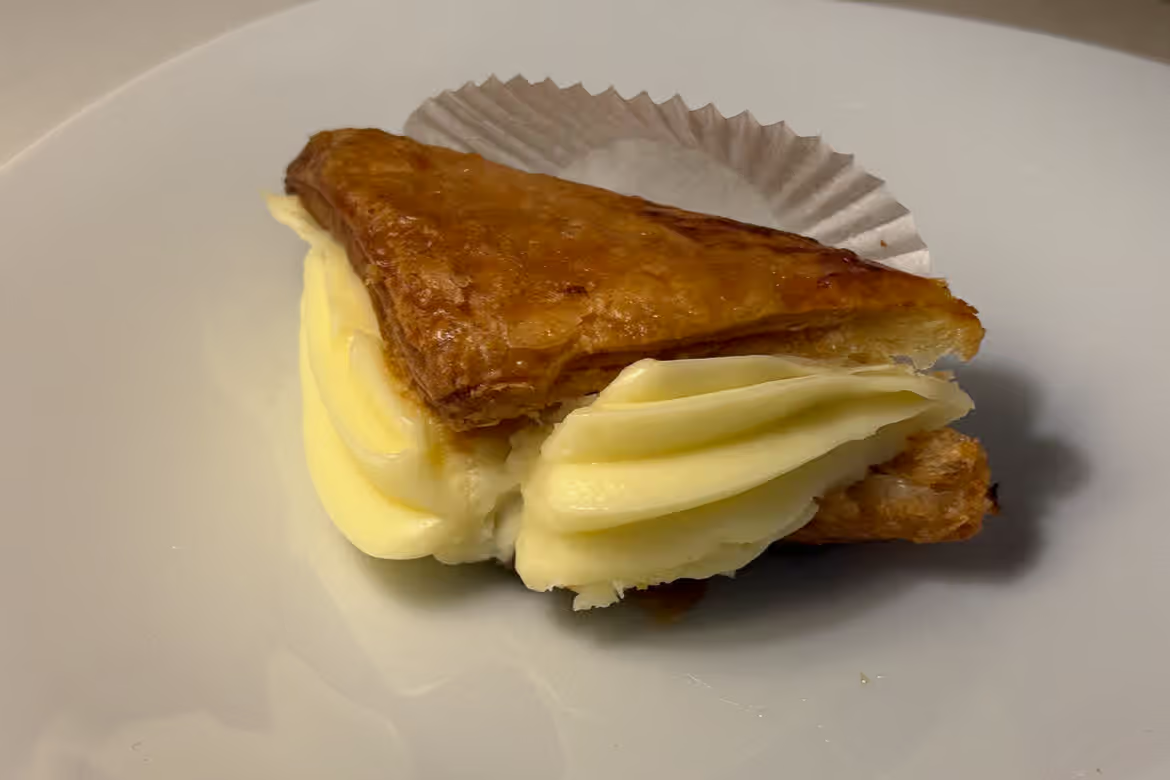
Yet another Thessaloniki staple is Trigona Panoramatos, or just Trigona, the Greek word for triangles. These are crunchy, sweet phyllo pastries filled with cream.
The sweet symbol of the city was invented in the 1940s by the Elenidis family, and guess what, the best place to try it is Elenidis Pastry Shop in the city centre.
5. Go Into The Depths of The Brand-New Metro
Thessaloniki’s metro was a project that started in the early 2000s. The construction took so long to finish that, by the end of 2024, no one could believe the new metro in Thessaloniki was actually real.
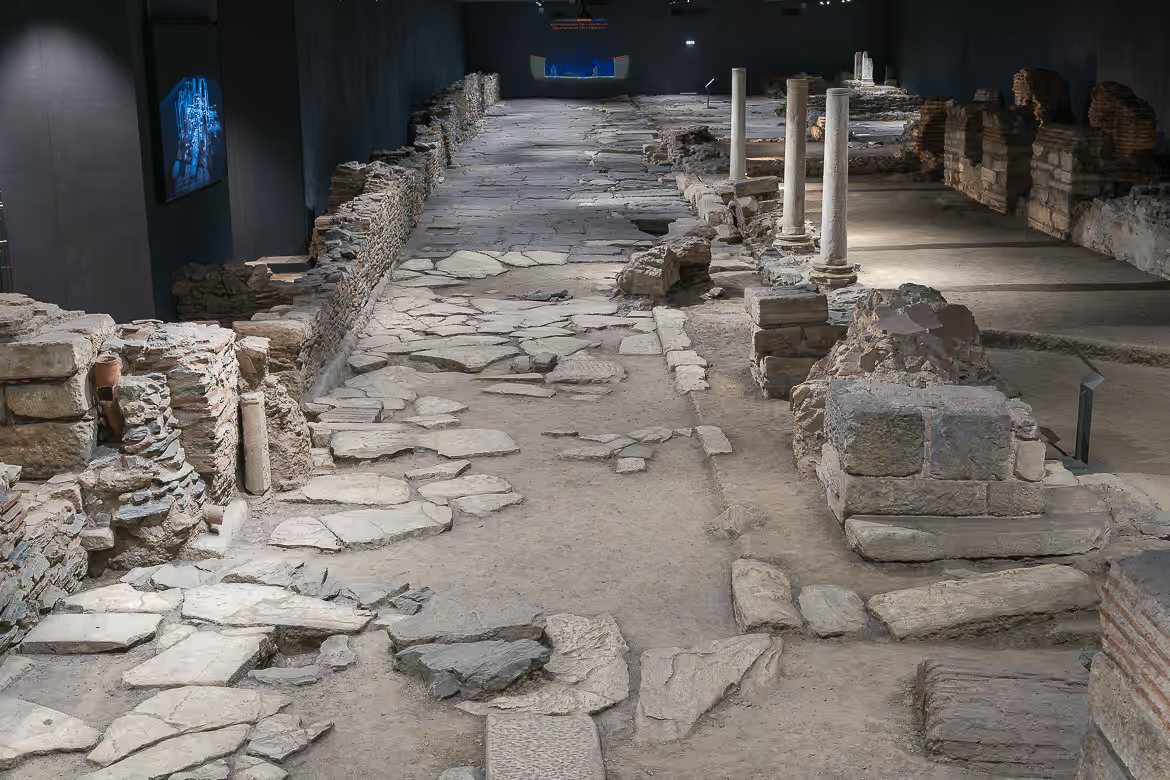
When we visited Thessaloniki recently, we went to see the brand-new metro. Only then did we realise how complicated the construction of this metro line must have been, as the area was abundant in ancient treasures, hidden for centuries in the depths below the modern city.
No matter if you plan to use the metro or not, go into the depths of the brand-new metro to see the layers of history underneath the modern buildings of Thessaloniki unfold before your eyes.
At Venizelou Metro Station, the ancient Egnatia Street, lined with ruins from Roman times, was the most mind-blowing thing we’ve ever seen in a metro.
6. Explore The Markets
From atmospheric food markets in the city centre to small marketplaces hidden in plain sight, Thessaloniki’s markets are the best places to mingle with locals and buy some of the best Greek souvenirs to bring back home.
Kapani Market
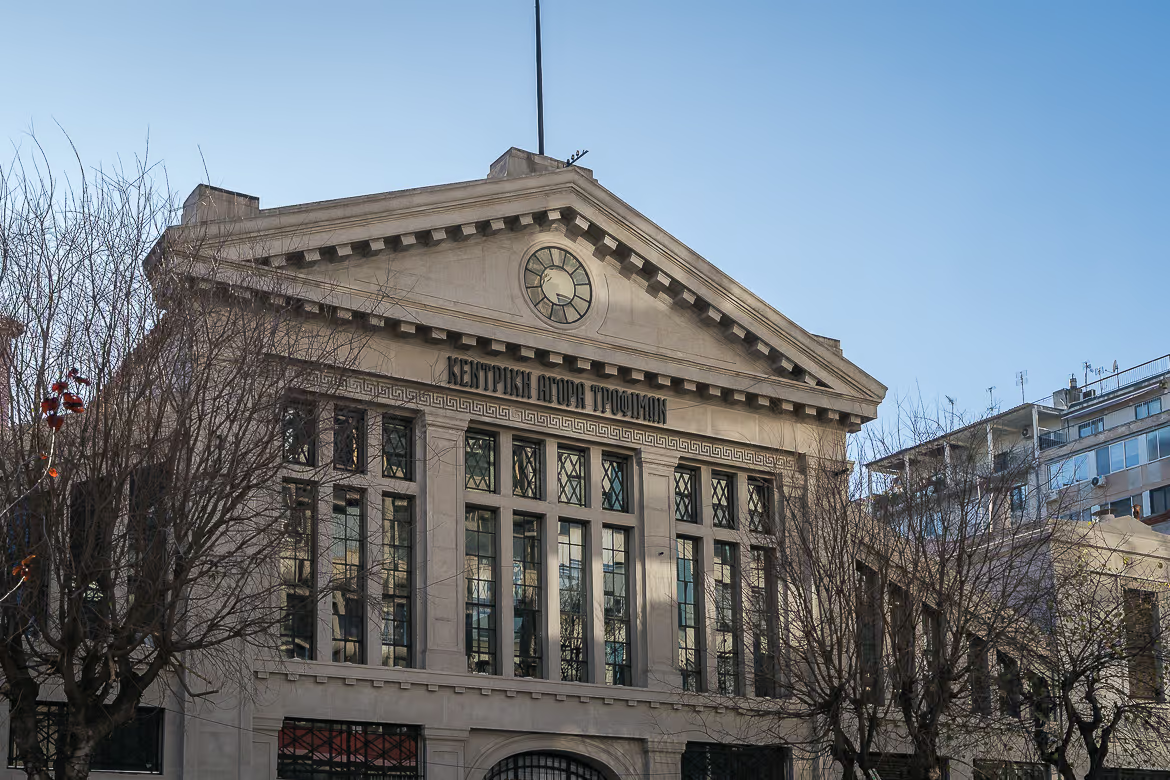
Dating back to Ottoman times, Kapani Market is the oldest market in Thessaloniki.
Preserving its authentic character, it’s where locals buy their fresh produce and other groceries, while the traditional small-plate taverns in Kapani Market are perfect for a quick lunch.
Modiano Market
A few steps from Kapani Market is the famous renovated Modiano Market. Due to works still in progress, this covered food market may be closed, though.
Bit Bazaar
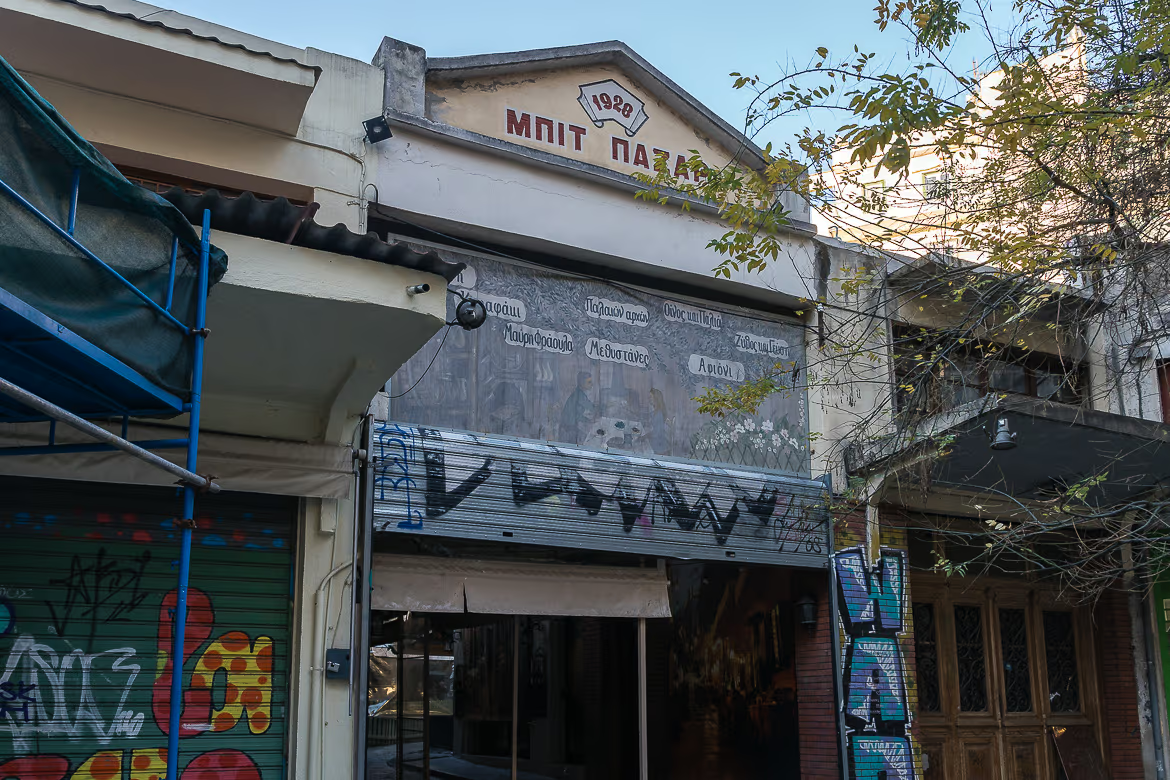
Located near the Roman Forum, Bit Bazaar is one of the local markets worth visiting. The small flea market dates back to 1928, when refugees from Asia Minor brought their culture to Thessaloniki.
In the morning, you will find memorabilia, old furniture and second-hand objects at the antique shops.
At night, the vintage market gives way to small, nostalgic taverns, where the sound of rebetiko songs and the laughter of students reverberate.
7. Step Inside Beautiful Churches
With numerous early Christian and Byzantine churches listed as UNESCO World Heritage Sites across the city, Thessaloniki is one of the largest religious centres in the Balkans.
If you’re wondering what to do in Thessaloniki, don’t miss checking out some of the magnificent churches that are scattered across the city.
Agios Demetrios Church
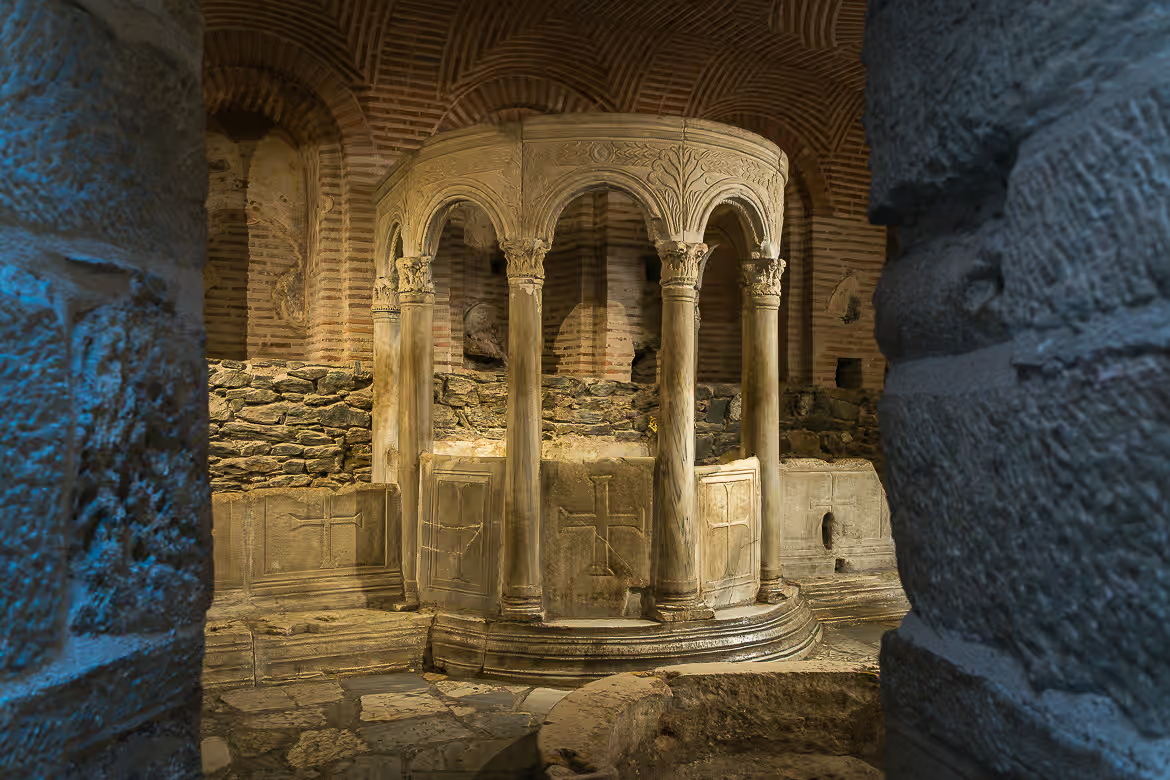
Located near the Roman Forum, this early Christian church is dedicated to the patron saint of Thessaloniki, Saint Demetrius.
Decorated with exquisite frescoes and marble carvings, this important church was built over the old thermal baths where Saint Demetrius was martyred. You can see remains of the bath in the church’s crypt.
Agia Sofia Church
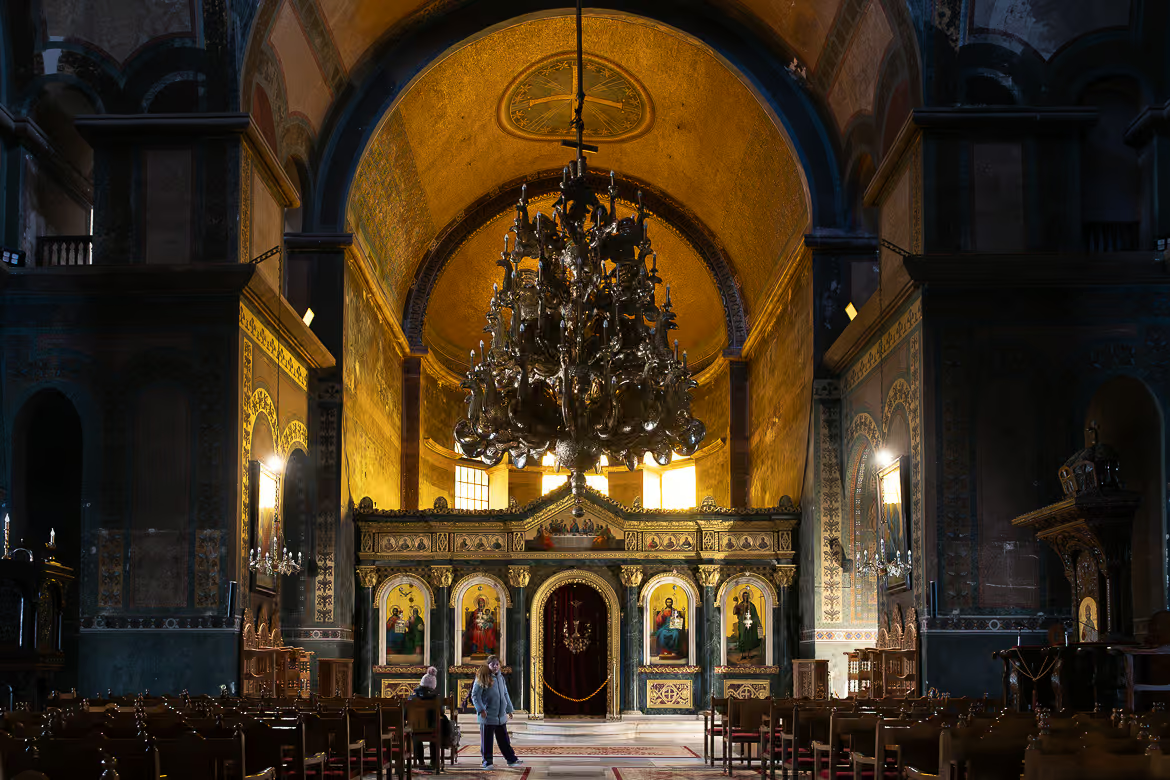
Built on the ruins of an early Christian church, Agia Sofia Church boasts a stunning interior with superb mosaics and frescoes.
Like most churches in Thessaloniki, Agia Sofia Church was converted into a mosque in the 16th century and restored to a church in the early 20th century.
Vlatadon Monastery
Located near the city walls in Ano Poli, the 14th-century Vlatadon Monastery is one of the UNESCO-listed Byzantine monuments of Thessaloniki. Don’t miss the panoramic views from its terrace.
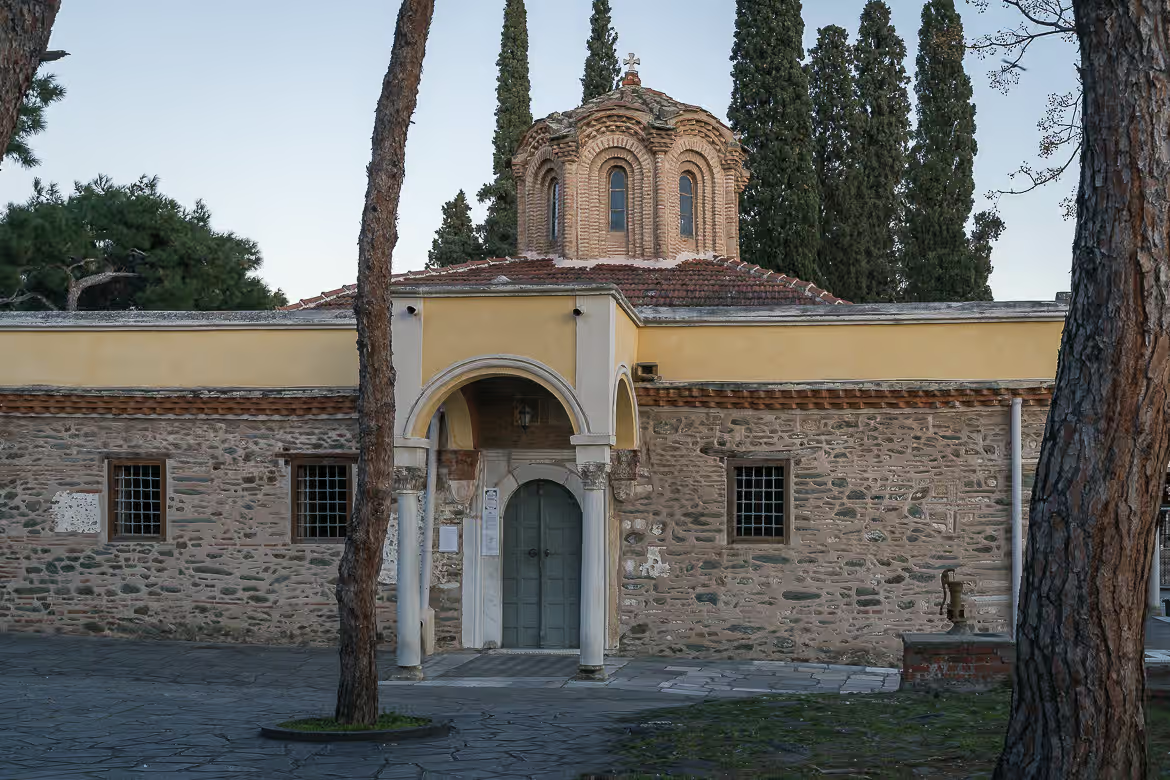
Church of Hosios David
A short walk from Vlatadon Monastery, Hosios David Church dates back to the 5th century. Visit the church in the morning, when it’s open, to admire the magnificent frescoes and mosaics.
8. Admire The Rotunda
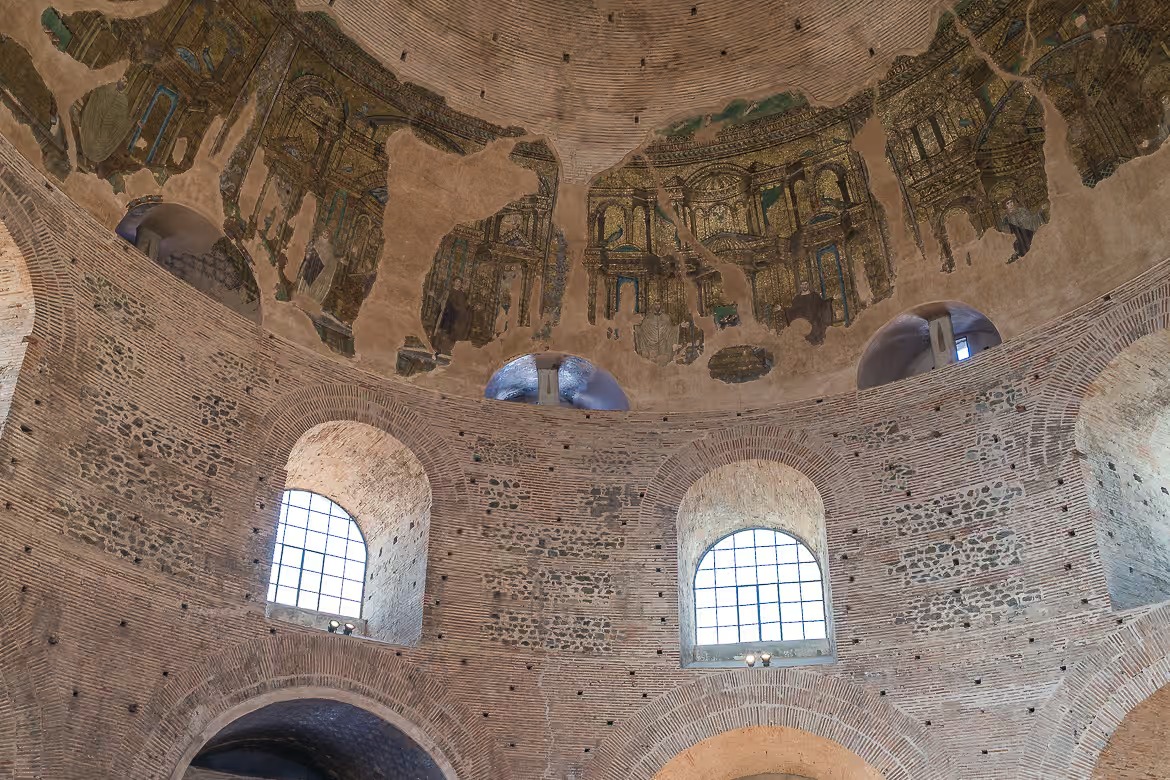
Built in the early 4th century, the circular Rotunda is a UNESCO World Heritage Site and a fine example of Byzantine architecture of the Eastern Roman Empire.
It was probably built during the reign of Roman Emperor Galerius, as it’s close to his triumphal arch and palace complex. The Rotunda has had many functions throughout the centuries, including a mausoleum, a Christian basilica, a mosque and an Orthodox church.
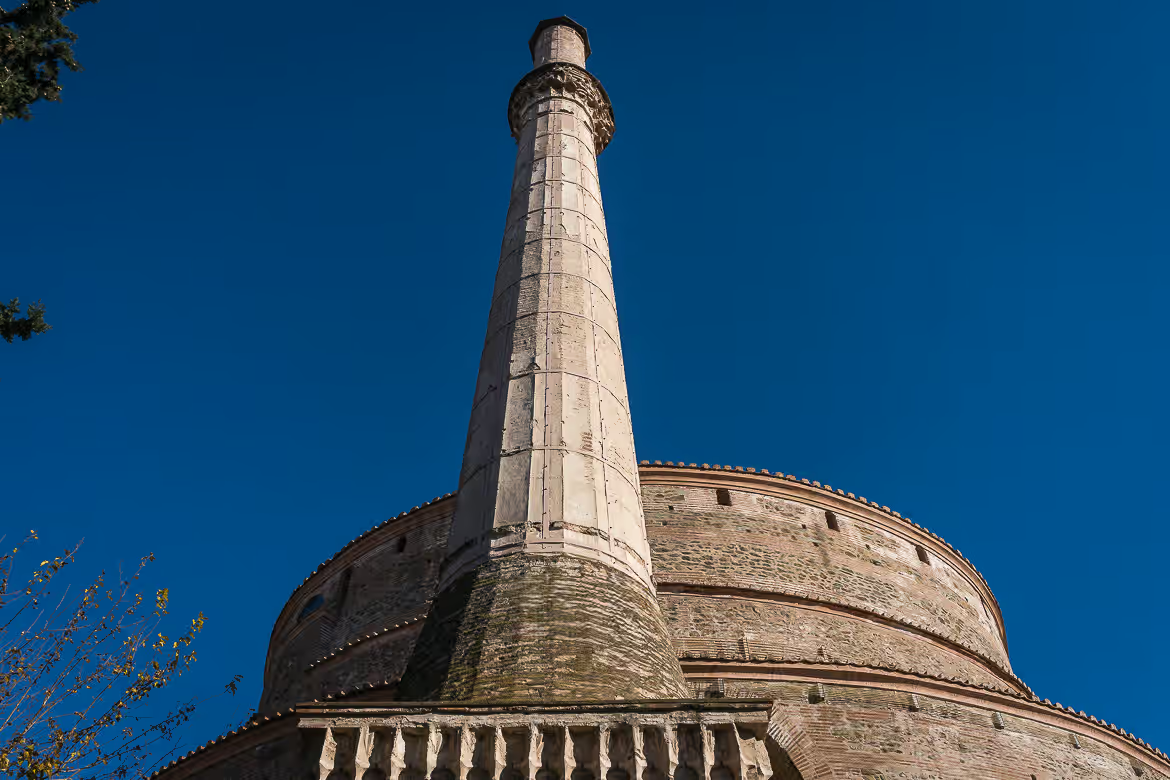
In the courtyard, the preserved minaret is a reminder of the Ottoman occupation. Step inside to marvel at the dazzling mosaics and monumental decorations.
Don’t miss the on-site small museum, where you can watch an insightful video about the Rotunda and the city’s history.
9. Discover a Roman Palace Complex
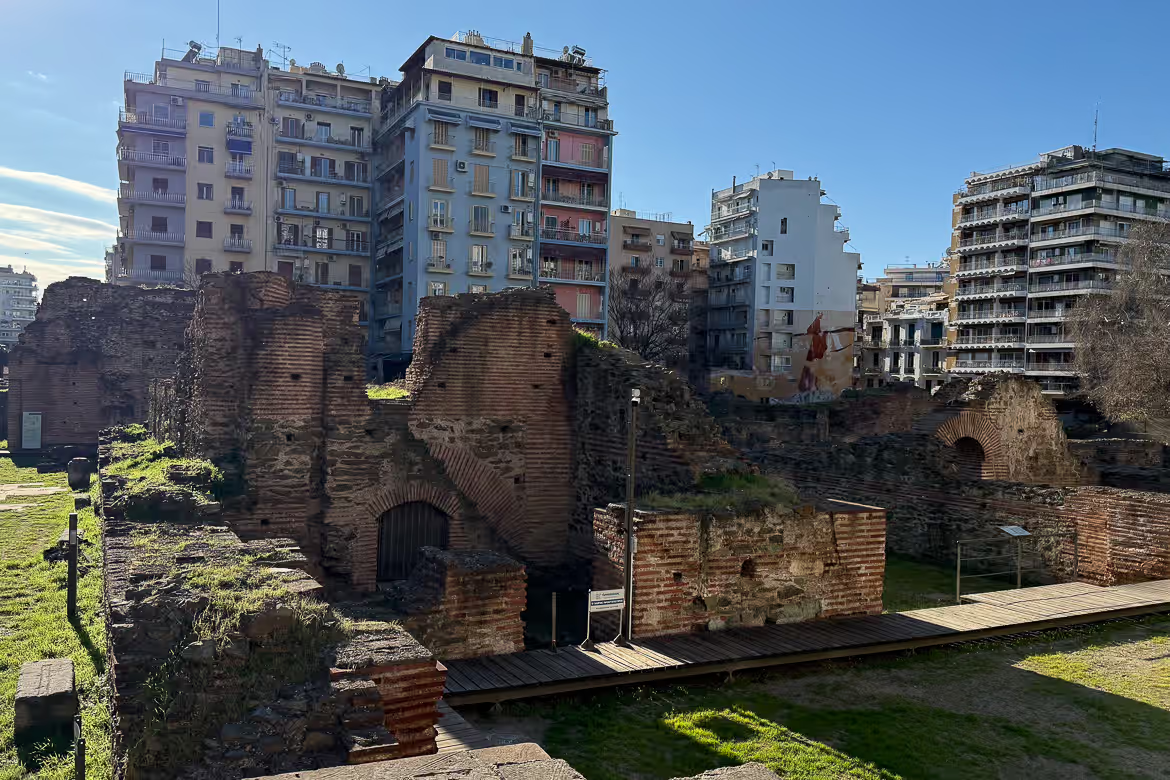
A few steps from the Rotunda stands the triumphal arch of Galerius over the Roman Egnatia Street. Nowadays, the arch is known locally as Kamara and is a popular meeting point.
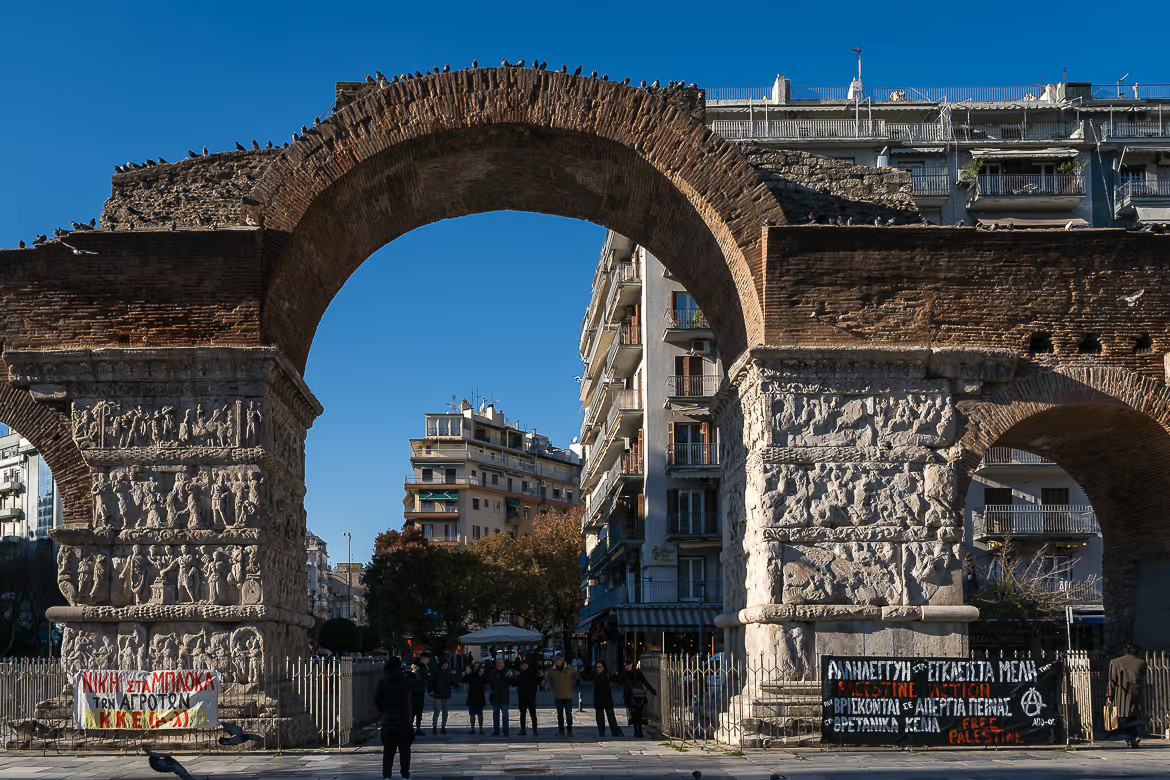
In the early 4th century, Emperor Galerius built his palace in Thessaloniki, halfway between Rome and the New Rome, Constantinople.
The palace of Galerius was massive, with monumental buildings such as baths, a basilica, and a hippodrome.
Making your way from the Galerius Arch towards the waterfront, you’ll see scattered ruins of the palace complex. Most of the palace of Galerius is buried under the modern city.
10. Marvel at The Magnificent Aristotelous Square
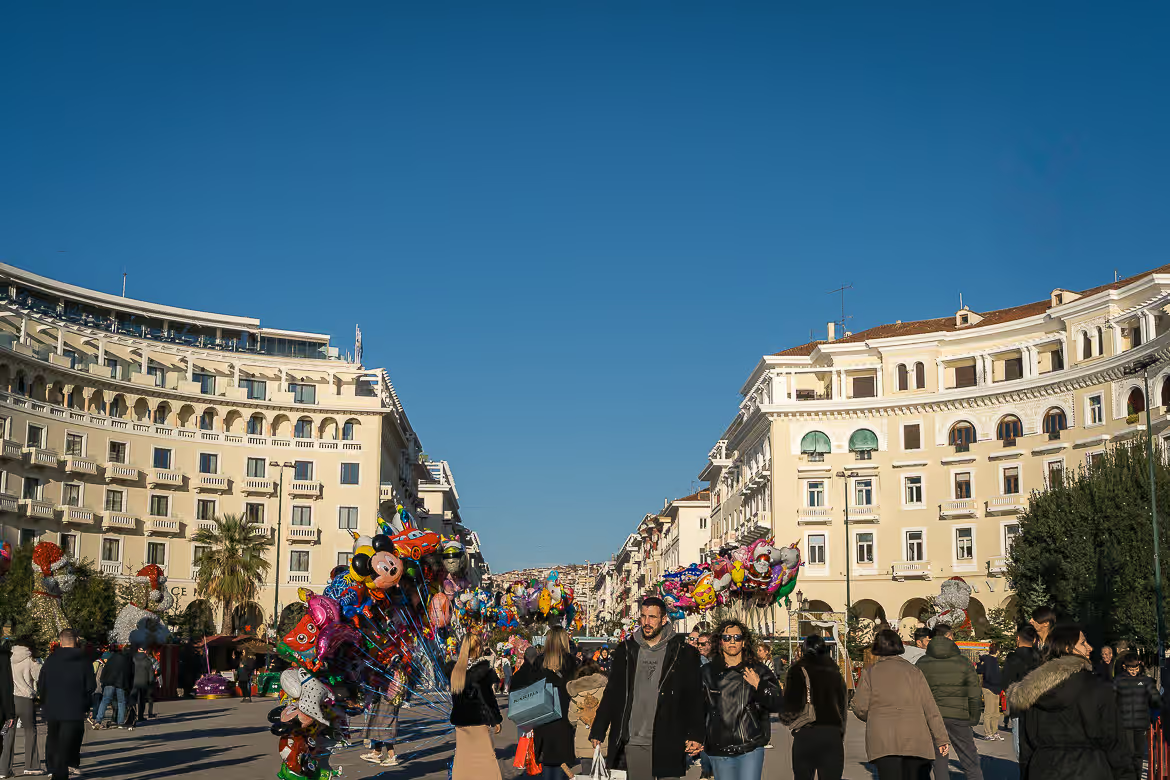
Set in the heart of Thessaloniki, facing the waterfront and Nikis Avenue, Aristotelous Square is a great place for people watching.
The magnificent square was designed after the Great Fire of Thessaloniki in 1917, when the city was reconstructed.
The square’s architecture blends Byzantine and Western styles, with two emblematic buildings, Helectra Palace and the historic Olympion Cinema, surrounding it.
The pedestrianised Aristotelous Street, which connects Aristotelous Square to Egnatia Street, is also marvellous and popular with locals and tourists.
11. Enjoy The Views From Ano Poli
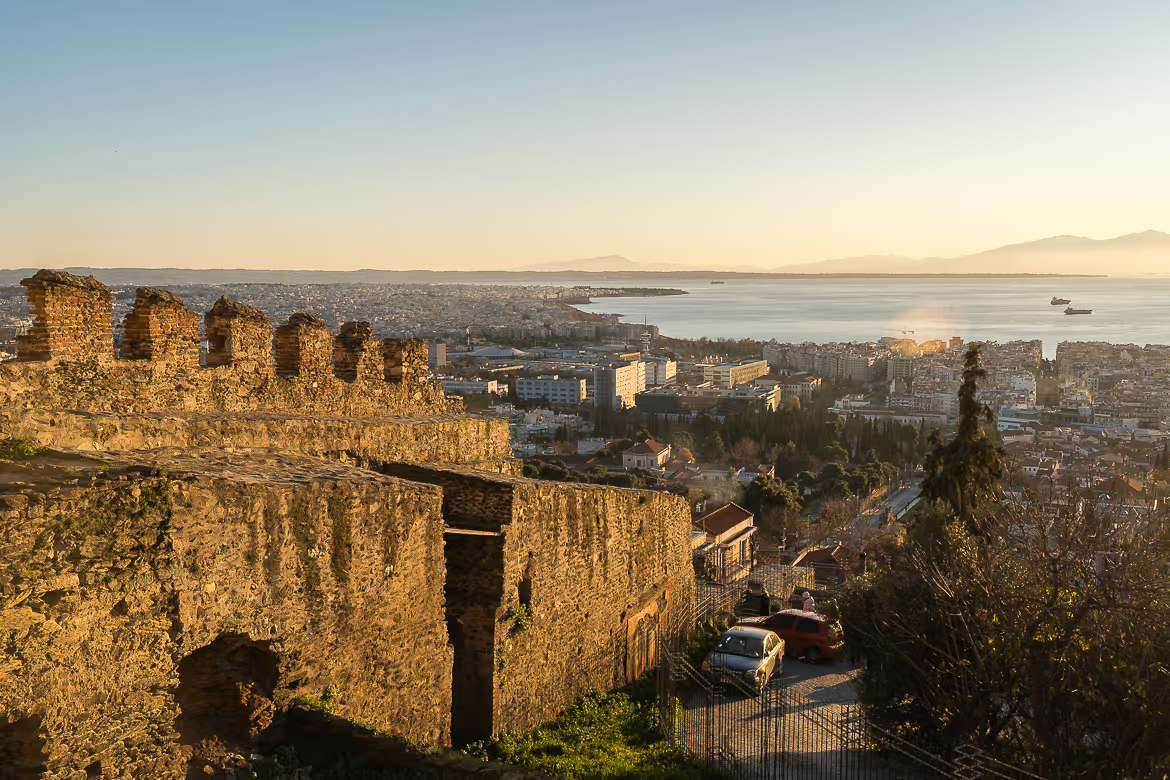
While Thessaloniki city centre is flat and walkable, we can’t say the same for Ano Poli (Upper Town).
This picturesque uphill neighbourhood is the oldest in Thessaloniki and the only one that survived the Great Fire of 1917.
With narrow cobbled streets and historic buildings, the neighbourhood preserves its traditional character from the Ottoman period.
Take a taxi or the bus to start your walk from Heptapyrgion or Yedi Kule, Thessaloniki’s Castle. Follow the surviving Byzantine walls and enjoy panoramic city views from Trigonion Tower. On a clear day, you’ll be able to see Mount Olympus in the background.
Explore the maze-like Ano Poli, its numerous churches, marble fountains, iconic buidlings and small squares before you sit down to enjoy small plates at the historic Tsinari Tavern.
12. Get To Know The Old Port
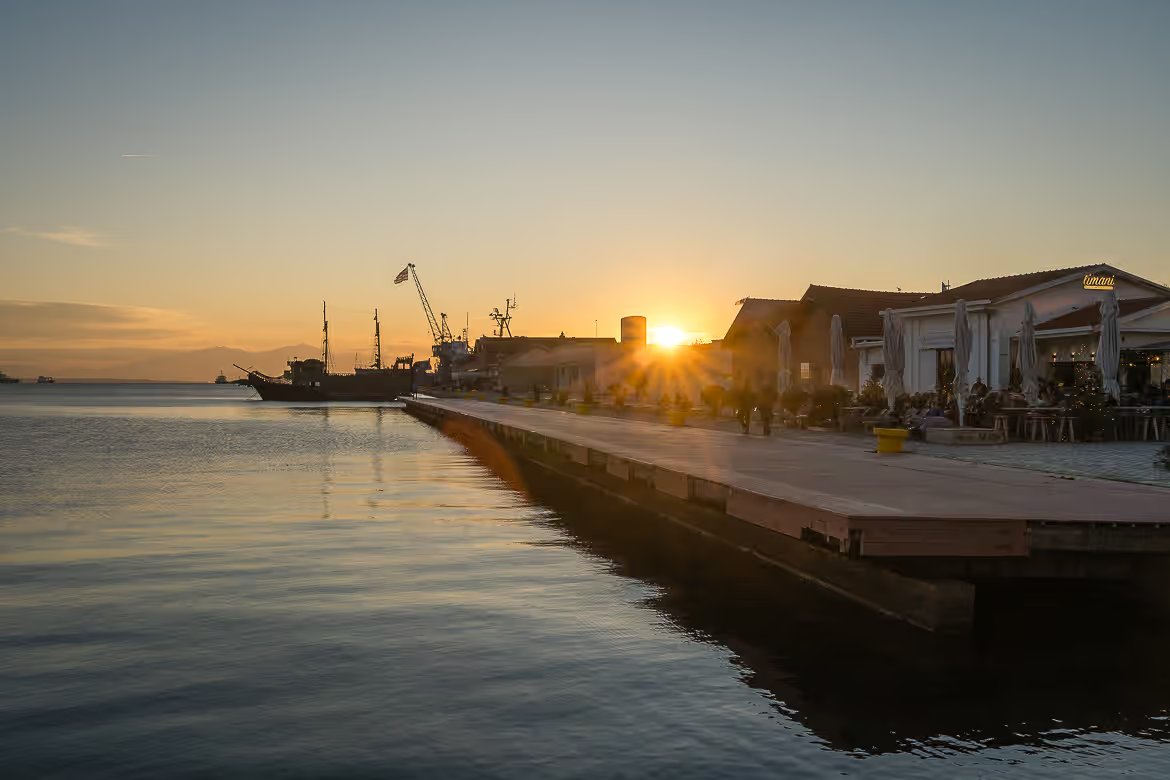
The Old Port of Thessaloniki was one of the most important projects that boosted the city’s economy at the beginning of the 20th century.
Significant historic events from the First World War and the population exchange took place in the Old Port.
Nowadays, the Old Port’s facilities are handled by cultural organisations. Among them are some of the best museums to visit in Thessaloniki, such as the Photography Museum and the Cinema Museum.
13. Eat Your Way Through Thessaloniki
Listed as a UNESCO City of Gastronomy, Thessaloniki boasts excellent quality local products and a food scene like no other in Greece.
With influences from the west and the east, Thessaloniki features a culinary blend reflecting its multicultural past.
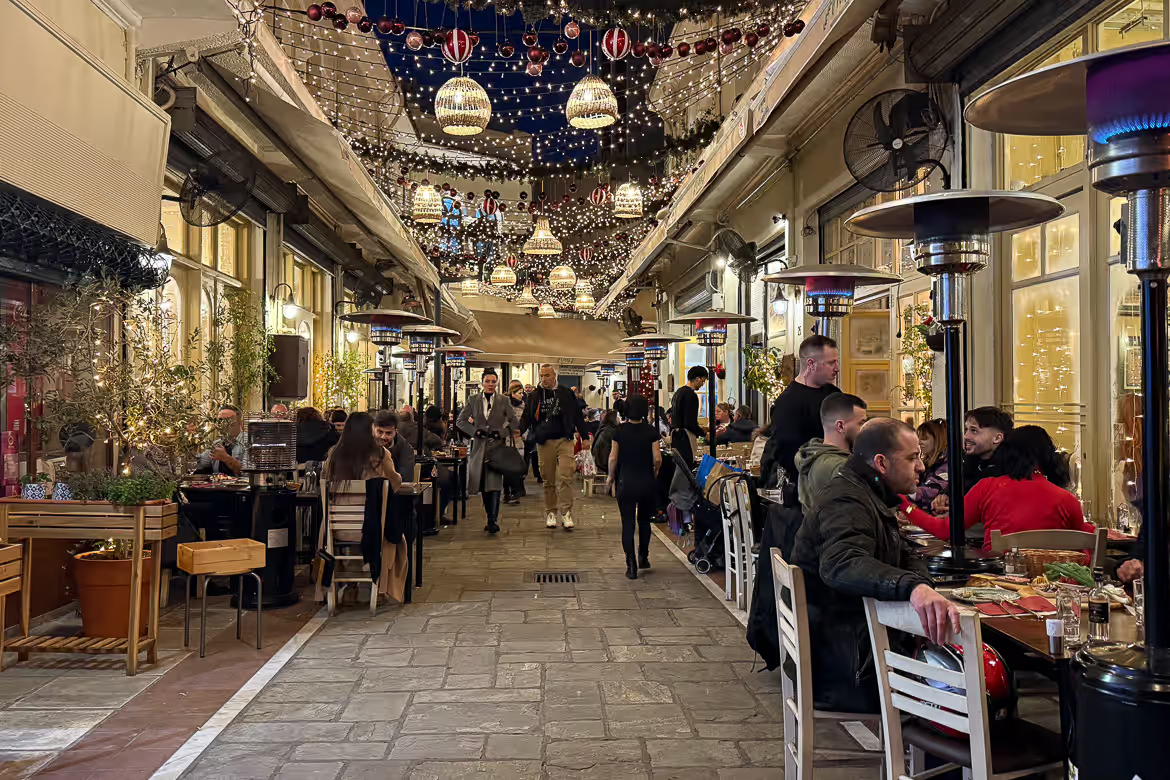
From small-plate eateries and street food stalls in the city centre to traditional taverns in the Ladadika district and fine-dining restaurants in Peraia, the food capital of Greece will not disappoint you.
14. Embrace a Vibrant Café & Bar Scene
Thessaloniki is a vibrant city thanks to its large student community and its cultural events. The bustling city boasts numerous cafés and bars in the lively Ladadika neighbourhood, the waterfront and the city centre.
Olympou Street is one of the hotspots in Thessaloniki, renowned for its laid-back atmosphere and cosy bars.
15. Visit The Ataturk Museum
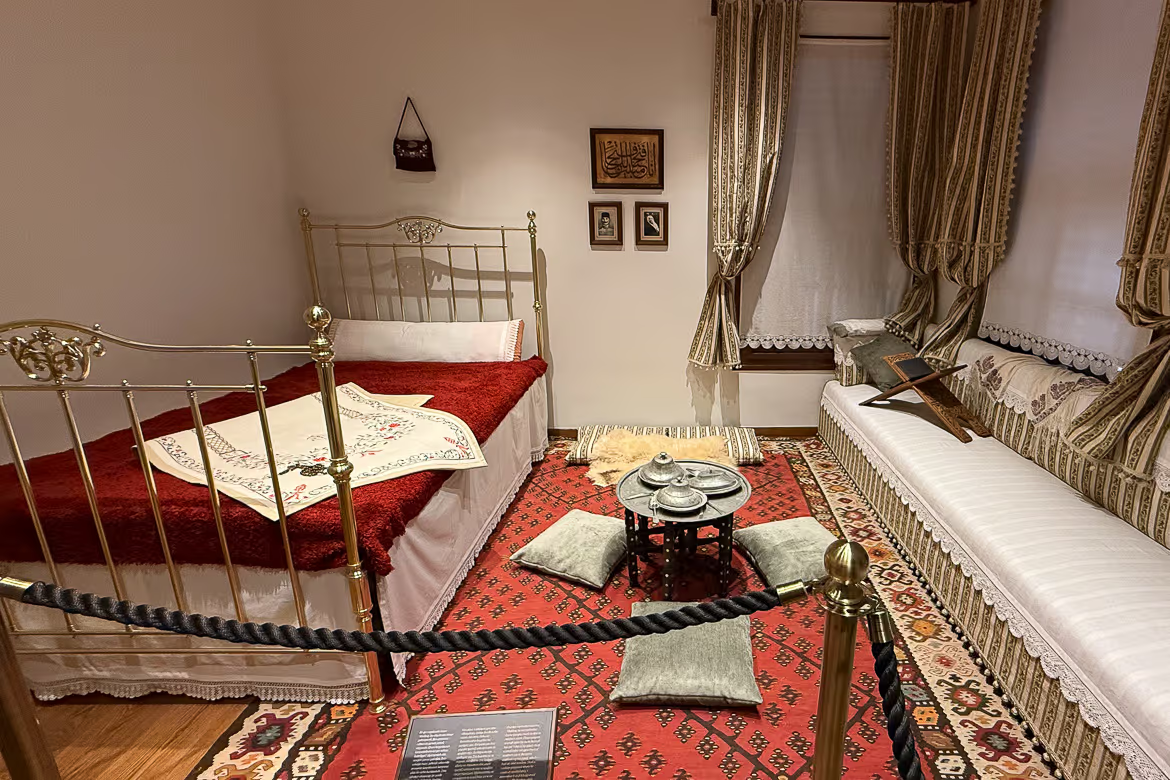
Located next to the Turkish Consulate, the Ataturk Museum is one of the best places to visit in Thessaloniki.
The three-floor museum narrates the childhood of Kemal Ataturk, who was born in Thessaloniki in the late 19th century when the city was still under Ottoman rule.
Greece isn’t just about Athens and the islands. There are more amazing places to visit in this diverse country and Thessaloniki is definitely among them.
Authentic, easy-going and boasting an inescapable aura of true European elegance, Thessaloniki is really one-of-a-kind. We hope our article about what to do in Thessaloniki inspires you to add this fantastic city to your Greece itinerary.