Planning a Trip To Greece
An Insiders’ Travel Guide
Are you planning a trip to Greece and looking for all the necessary information to make your life a lot easier? You’ve come to the right place.
You are about to read the ultimate Greece travel guide, put together by two well-travelled locals on a mission to showcase the best our home country has to offer.
Planning a trip to Greece doesn’t have to be a daunting task. Not even for first-timers.
Read on to find out all the essential Greece travel tips, the top things to do in Greece, the best places to visit in Greece and a lot more to plan your trip to Greece down to the last detail.
Some of the links on this page are affiliate ones. This means that if you click through them to make a purchase, we may earn a small commission at no extra cost to you. Learn more.
If you’re considering a trip to our home country soon, we’re here to answer all your questions.
Fill in this form to book your one-on-one video call with us or to request the perfect Greece itinerary, customised to your travel needs and desires.
Learn more about our travel planning services.
What Is Greece Known For?
So, why visit Greece in the first place? In a nutshell, Greece is famous for its ancient history, culture, natural beauty and diverse traditions.
The cradle of Western Civilisation, Ancient Greece was the birthplace of philosophy, democracy, and the Olympic Games.
Moreover, Greece is the blessed land of countless islands, 18 UNESCO sites and one of the healthiest cuisines in the world.
Travellers to Greece have the unique opportunity to visit archaeological sites, enjoy beautiful scenery, and find delicious food literally everywhere in Greece.

The Ultimate Greece Travel Guide
Where Is Greece?
Greece is situated in southeastern Europe. More specifically, it lies on the southernmost tip of the Balkan Peninsula. It shares land borders with Albania, North Macedonia, Bulgaria and Turkey.
The Ionian Sea separates it from neighbouring Italy, while the Libyan Sea stands between Greece and the countries of North Africa.
This is why it’s often mentioned that Greece, the country with the longest coastline in the Mediterranean, stands at the crossroads of Europe, Asia and Africa.

When To Visit Greece
Weather in Greece
The weather in Greece is generally mild. That said, there are many local variations.
For instance, summers can be extremely hot in Central Greece and the Aegean Islands with temperatures climbing up to 45°C.
On the other hand, the mountainous areas of Northern Greece can experience harsh winters with frequent snowfall and below-zero temperatures.

Best Time To Visit Greece
For excellent weather and fewer crowds, the best months to visit Greece are April to June and September to November.
In late spring and early autumn, the weather is perfect with pleasant temperatures and less rain.
During the shoulder seasons, you can explore the ancient sites and visit the islands comfortably with fewer crowds, avoiding heatwaves.
If you’re wondering about swimming, June and September are the ideal months for enjoying the sea. Keep in mind that by late September, after the summer season, the sea temperature is at its most enjoyable.
October and November are perfect for those who’d like to explore the mainland on a road trip.

Winter in Greece
December, January and February are the coldest months in Greece, but not as cold as in other European countries.
So, if you’re not into swimming and don’t mind the cold, winter might just be the best time to mingle with locals and experience the real Greek vibes.
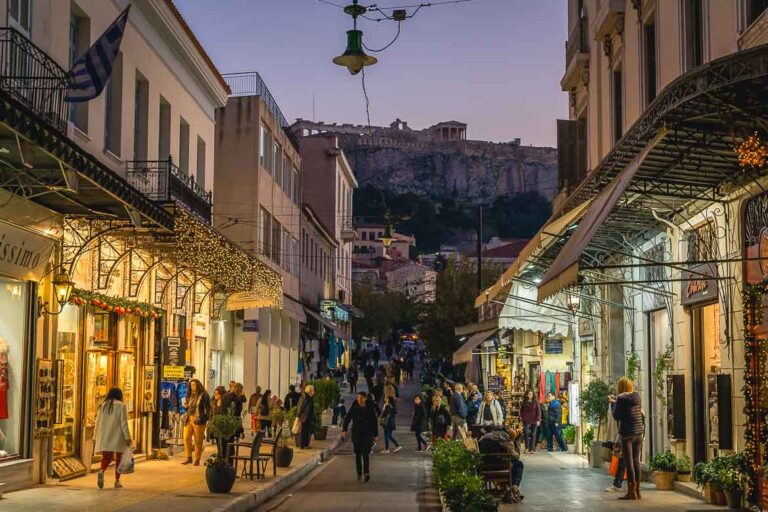
In major cities, such as Athens, Thessaloniki, Patras, Volos, Trikala, and Ioannina, the holiday season brings Christmas lights, open-air celebrations and festive cheer.

Summer in Greece
On the other hand, July and August are the hottest months in Greece. The islands are unbearably crowded and windy during these two months, while the mainland cities can be eerily quiet and torturingly hot.
The best places to travel in Greece in July and August are the mountains and the countryside in Central and Northern Greece and the Peloponnese.

Easter in Greece
One of the best times to visit Greece for unique traditions throughout the country is Easter. The dates for Easter and Holy Week in Greece vary each year, but are always in April or May.
Some of the best places to visit in Greece at Easter are Corfu, Santorini, Syros and the rest of the Cyclades Islands.

Festivals in Greece
Throughout the year, many festivals take place in mainland Greece and on the Greek Islands. Many of them are related to Christian Orthodox festivities and include cultural activities.
If you plan to visit a Greek Island in the summer, look out for a traditional festival called a panegiri, featuring circle dances, Greek folk music and local food.
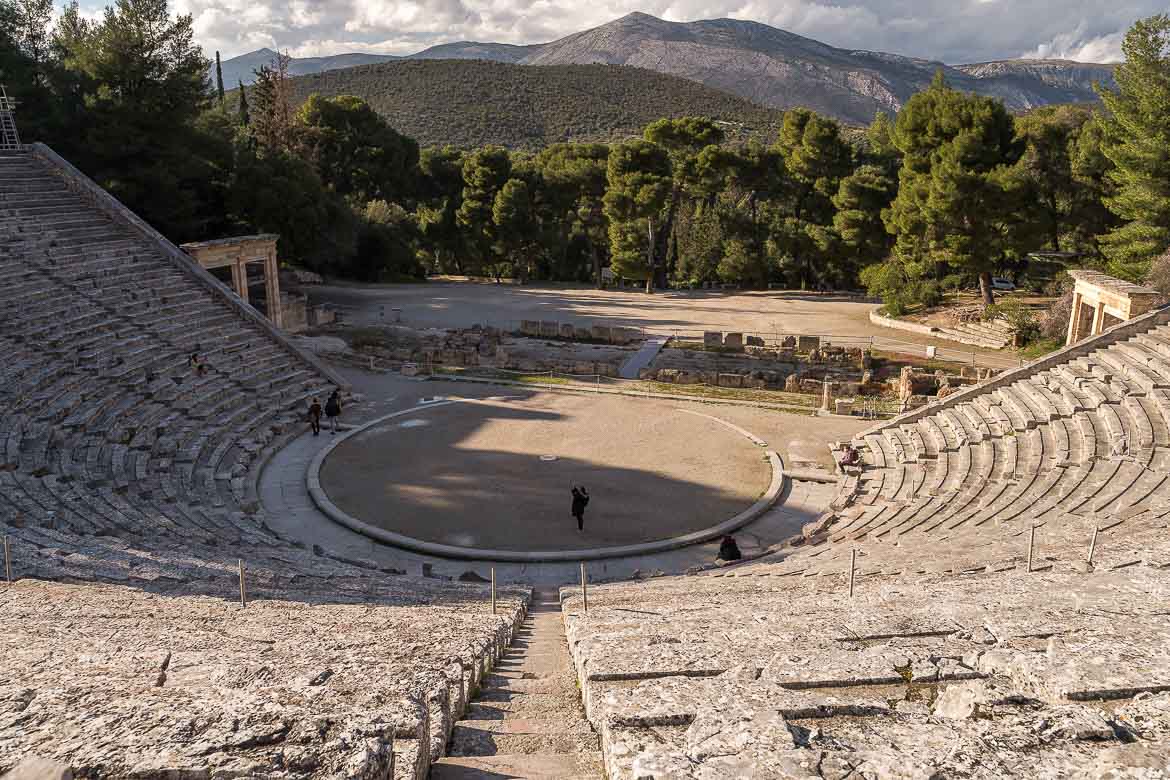
Some of the best festivals in mainland Greece are the Athens & Epidaurus Festival, from June to October each year, and the Thessaloniki Film Festival in November.
How Long To Stay in Greece
Deciding how long to stay is the most difficult task when planning a trip to Greece.
If you live in a nearby European country, you’re in luck. There’s no need to try to squeeze many places into a single trip. You can always come back for more.
Therefore, from a long weekend in Athens or Thessaloniki to an island-hopping itinerary or a road trip across the Peloponnese or Epirus, your options are endless.
However, if you’re travelling to Greece from another continent, it makes sense to spend as much time in the country as possible, adding as many places and sights to your itinerary as you can.
As a general rule, two to three weeks are enough to have an overview of the best things to do in Greece.
This way, you’ll have enough time for a taste of the beautiful islands, the mainland countryside and the best cities.
If you still can’t decide how long to stay in Greece, we would be more than happy to chat with you, answer any questions you have or craft the perfect itinerary for you. Learn more about our travel planning services.

Getting To Greece
By Plane
Apart from Athens International Airport, there are more than 15 other international airports scattered across Greece, both on the mainland and the islands.
Most of the larger islands, like Crete and Corfu, have direct international flights. But the same goes for some of the smaller islands, like Mykonos and Skiathos.
From April to October, there are more frequent flights from Europe to numerous Greek islands and smaller airports on the mainland.
By Ferry
You can get to Greece by ferry from Venice, Ancona, Bari and Brindisi in Italy. Depending on the port of departure and the season, ferries from Italy reach the ports of Patras, Igoumenitsa and Corfu in Greece.
You can also get to Corfu Island in Greece by ferry from Saranda in Albania.
Moreover, some ferries connect the Aegean Coast of Turkey to various Greek Islands, such as Kastellorizo, Rhodes, Kos, Samos, Lesvos, Chios and others, primarily during the summer months.
The most reliable way to check out ferry routes and timetables, as well as to buy your ferry tickets, is via the Ferryhopper app.
By Bus
If you’re coming from a Balkan country, a good way to get to Greece is by bus. Thessaloniki, the largest city in Northern Greece, is well-connected to the neighbouring countries with frequent routes.
By Train
Sadly, all international trains to and from Greece are suspended. Check the official website of Trainose, the only railway company operating in Greece, for any changes.
By Car
People travelling to Greece by car may enter the country from the Balkans via the border crossings of Promachonas, Ormenio and Evzoni.
If you’re coming from Italy, you can take a car ferry from Ancona, Bari, or Brindisi.
Always remember to carry your driving license, visa, and Green Card if you’re travelling with your own vehicle.
Please note that this travel information about Greece is subject to change, so be sure to double-check for any updates on border crossings before starting your road trip to Greece.
How To Get Around Greece
Public Transport in Athens
Although public transportation may not be the best way to get around in the rest of Greece, in Athens, it most certainly is. Traffic jams in Athens can get crazy, so driving around the capital may end up too stressful.
The Athens public transport system includes the metro, which features three lines: Line 1 (green), Line 2 (red), and Line 3 (blue). Additionally, the system includes a suburban railway, buses, and trams.
Some bus routes operate throughout the night, and the metro, trams, and several additional bus lines run 24/7 on Saturdays.
You can hop on and off all of the above for 90 minutes with a single ticket that costs 1.20 EUR.
All validation machines on the metro, buses, and trams accept contactless payment with your bank card. So, there’s no need to purchase individual tickets or an extra card for topping up your tickets.

Public Transport From Athens Airport
The fastest way to get from Athens International Airport to the city centre and Piraeus Port is the metro.
The ride to Syntagma Square takes 40 minutes, while the ride to Piraeus Port takes one hour. You can use your contactless bank card to pay for the ride. Check ticket prices here.
Besides the metro, there are four express bus lines with 24-hour service that operate from Athens Airport to Syntagma Square (X95), Piraeus Port (X96), Kifissos and Liossion Bus Stations (X93) and Ellinikon Metro Station (X97).

Taxis in Athens
Taxis in Athens are yellow and they are required by law to use a taxi metre. Although there are some designated areas for taxis to line up, it’s common practice to hail a taxi pretty much anywhere you want.
To avoid scams, use taxi apps such as Uber and Free Now.
Public Transport & Taxis in The Rest of The Country
If you decide to rely on public transport and taxis outside of Athens, make sure you check with locals first. Your hotel staff are usually the best people to guide you on local public transport.
Driving in Greece
Planning a road trip in Greece is one of the best ways to uncover its hidden gems. However, if it’s your first time in Greece, there are a few important things to consider about driving.
Greece follows right-hand traffic rules, and while road conditions are generally good, you may encounter poorly maintained roads with potholes, particularly in rural areas.
Roads in the cities, islands and villages are narrow, so a small or midsize car would be best for your peace of mind.
Moreover, Greek drivers often disregard speed limits. That said, as long as you follow the traffic rules and drive with caution, you should be safe on the roads.
Don’t let these concerns deter you from renting a car and enjoying the beautiful Greek scenery at your own pace. Just keep your eyes on the road, respect traffic signs and speed limits, and enjoy your journey.
There are about ten completed motorways across mainland Greece, allowing for quick travel through various regions.
On these highways, tolls are required. Unfortunately, there isn’t a single website that provides information about all toll stations in Greece, as not all motorways are operated by the same companies.
However, there is a website that can help you calculate fuel and toll costs for your trip.

Parking in Greece
Parking in Athens and other large cities can be a nightmare, especially during the day. Watch out for paid parking areas in the city centres to avoid a fine.
If you’re not sure, ask a local. In the outskirts of cities, parking is usually free, but always check with locals to be on the safe side.
Even though most villages and islands have designated areas for free parking, it’s next to impossible to find available parking space during the high season.
The safest way to avoid being fined is to ask your hotel staff where to park.
Ferries in Greece
Boasting dozens of islands to choose from, it’s no surprise that Greece has an extensive network of ferries ideal for your island-hopping adventures.
From Piraeus, the largest port in Greece, you can get to almost every big and small island in the Aegean Sea.
With easy access from Athens Airport, Rafina and Lavrio are two smaller ports in Attica with several routes to the Cyclades.
Ports like Patras and Igoumenitsa primarily link western Greece with Italy, providing daily ferry services to Bari, Brindisi, and Ancona.
Meanwhile, Kyllini Port connects the Peloponnese to the Ionian Islands of Zakynthos, Kefalonia, and Ithaki.
Since ferry routes and schedules can change with the seasons, we recommend checking the latest information and booking your tickets through the Ferryhopper app.

Trains in Greece
Unlike ferries, trains in Greece no longer flourish. Although it was possible to travel by train across the country in the past, nowadays Greek train travel seems to be on hold.
There are only a few daily trains that connect Athens to Thessaloniki and some other cities and villages along the way or via small detours. For routes and timetables, check out the Trainose website.
Greek KTEL Buses
The most reliable way to travel across mainland Greece is KTEL, the country’s public bus network.
Depending on where you start and where you want to go, check the corresponding KTEL website for ticket prices and bus schedules.
Just Google your starting point to your final destination KTEL (e.g., Athens to Thessaloniki KTEL), and you’ll find the correct website each time.
Domestic Flights in Greece
If you’re wondering how to travel around Greece, remember that domestic flights are only worth it for long distances, especially between the mainland and the islands.
For instance, if you want to go from Rhodes or Crete to Thessaloniki or Corfu, the best option is to book a domestic flight.
For shorter trips, you’ll be better off either driving or taking the ferry/KTEL bus. Most domestic flights in Greece are operated by Aegean Airlines/Olympic Air, Sky Express and Ryanair.
Keep in mind that small aircraft fly to some islands, so flights are weather-dependent.

How To Choose Your Accommodation in Greece
Accommodation is one of the most important things when planning a trip to Greece.
We recommend avoiding large resort hotels that offer little opportunity to explore local culture and cuisine.
We’d also advise against short-term rentals to help mitigate the negative effects of Airbnb on local communities and opt for family-run boutique hotels instead.
As a country with a rich tourism history, many families have been involved in the hospitality industry for generations.
From the bustling islands to the hidden gems on the mainland, there are numerous family-run small hotels to choose from.
Staying in these hotels enhances your travel experience. That’s because the hospitable locals will do their best to ensure you have a memorable trip.
Yet, by choosing a family-run hotel, you not only enrich your own travel experience but also support local economies.

Things To Know When Planning a Trip To Greece
Greece Passport & Visa Requirements
European and US citizens don’t need to apply for a Greek travel visa for business or tourism. This also applies to citizens from many other countries.
However, if you are not an EU citizen, you will need a valid passport to enter Greece. EU citizens can travel to Greece using either a valid passport or a national ID card with Latin characters.
Here’s a detailed list of all the countries whose citizens need a visa to enter Greece.

Greece Travel Costs
Here are some typical travel expenses for Greece to help you estimate your budget when planning a trip to Greece.
Please keep in mind that these prices are approximate and may vary by location and time of year. Hotel prices, in particular, can fluctuate significantly by season.
To determine the exact cost of your trip to Greece, it’s essential to research the specific destinations you plan to visit.
Alternatively, you can benefit from our travel planning services and skip straight to the good part, without wasting valuable time figuring out everything on your own.
- Accommodation in Athens: 100-140 EUR per night in a double room
- Accommodation on the Greek Islands (low season): 50-80 EUR per night in a double room
- Accommodation on the Greek Islands (peak season): 100-200 EUR per night in a double room
- Public transport in Athens: 1.20 EUR for 90 minutes
- Taxi from Athens Airport to the city centre: 40-55 EUR
- Small/Midsize rental car (low season): 30-60 EUR per day
- Small/Midsize rental car (peak season): 50-100 EUR per day
- Fuel (unleaded gasoline): 1.8 EUR/litre
- Ferry ticket: 20-60 EUR per person on the deck
- KTEL Bus ticket: 30-40 EUR per person
- Domestic flight: 50-100 EUR per person
- Glass of wine/beer: 3-6 EUR
- Cocktails: 8-15 EUR
- Souvlaki: 4-5 EUR
- Full Meal at a traditional restaurant: 15-25 EUR per person
- Full Meal with bottled wine at a fancy restaurant: 30-50 EUR per person
- Attractions (Museums & Archaeological Sites): 5-30 EUR per person

What To Pack For Greece
It’s not uncommon for the weather to be warm enough to swim in early November or early April. Nor is it impossible to rain heavily in July in Greece.
If you plan to visit any religious sites, be aware that modest dress is expected. A scarf is often essential for covering up before entering these sites.
Therefore, when packing for Greece, remember these essential items: a swimsuit, sunglasses, a waterproof jacket or travel umbrella, and a scarf.

To stay hydrated on warm summer days, consider bringing a reusable thermal water bottle. Additionally, an insect repellent is necessary for the evenings.
Always wear sunscreen in Greece, as the sun can be harsh year-round.
In winter, pack warm clothes and, if possible, waterproof shoes. Remember that layering is the right approach in Greece in winter, as temperatures can fluctuate throughout the day.
Last but not least, pack a travel adaptor if you’re travelling from the UK or the USA to Greece.
Money in Greece
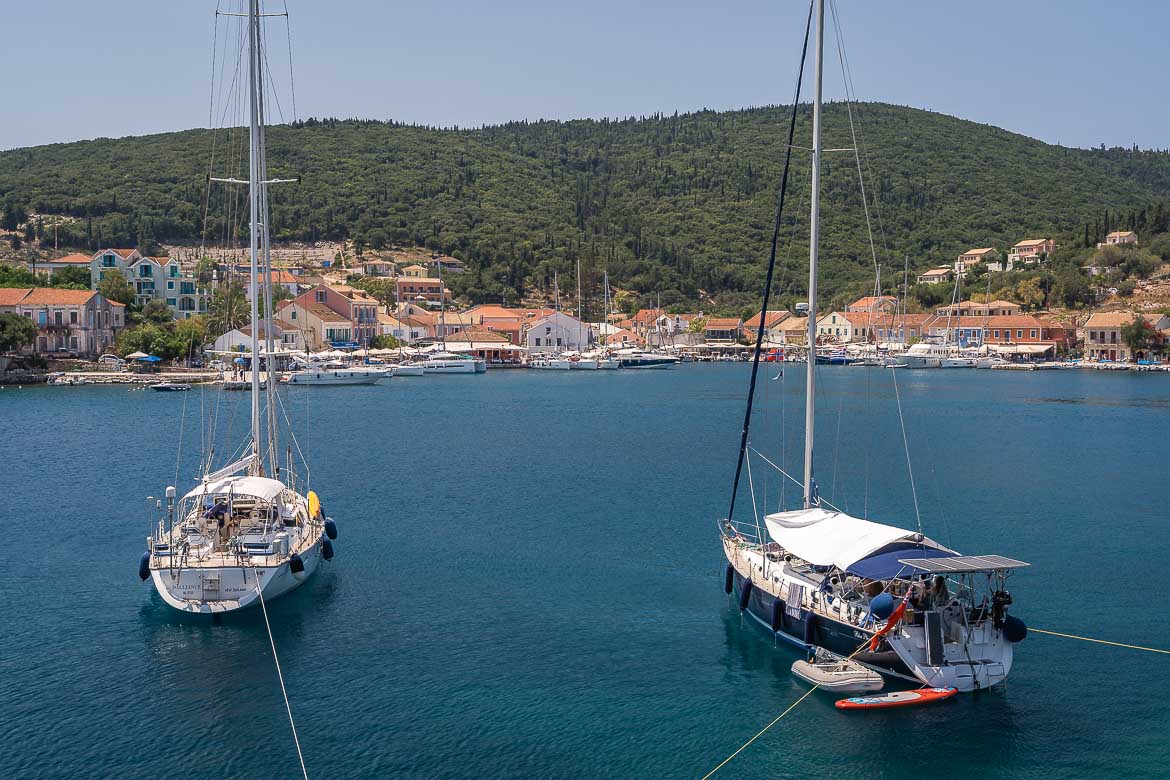
The euro (€) is the currency used in Greece. You can withdraw cash at ATMs all over the country.
If you plan to visit some of the tiniest islands or smaller villages in Greece, such as the Small Cyclades Islands, check with your hotel to make sure that there’s actually an ATM there.
It’s important to avoid the blue and yellow Euronet ATMs, as they tend to charge high transaction and exchange rate fees.
One of the most valuable things to know before travelling to Greece is that contactless payments with credit cards are widely accepted almost everywhere, even for small amounts.
A multicurrency bank card, such as Wise Card, is quite handy since it offers easy exchanges to euros at the best rate.
However, always carry some euros in cash for tips and small purchases at markets, kiosks and taxis.

Water in Greece
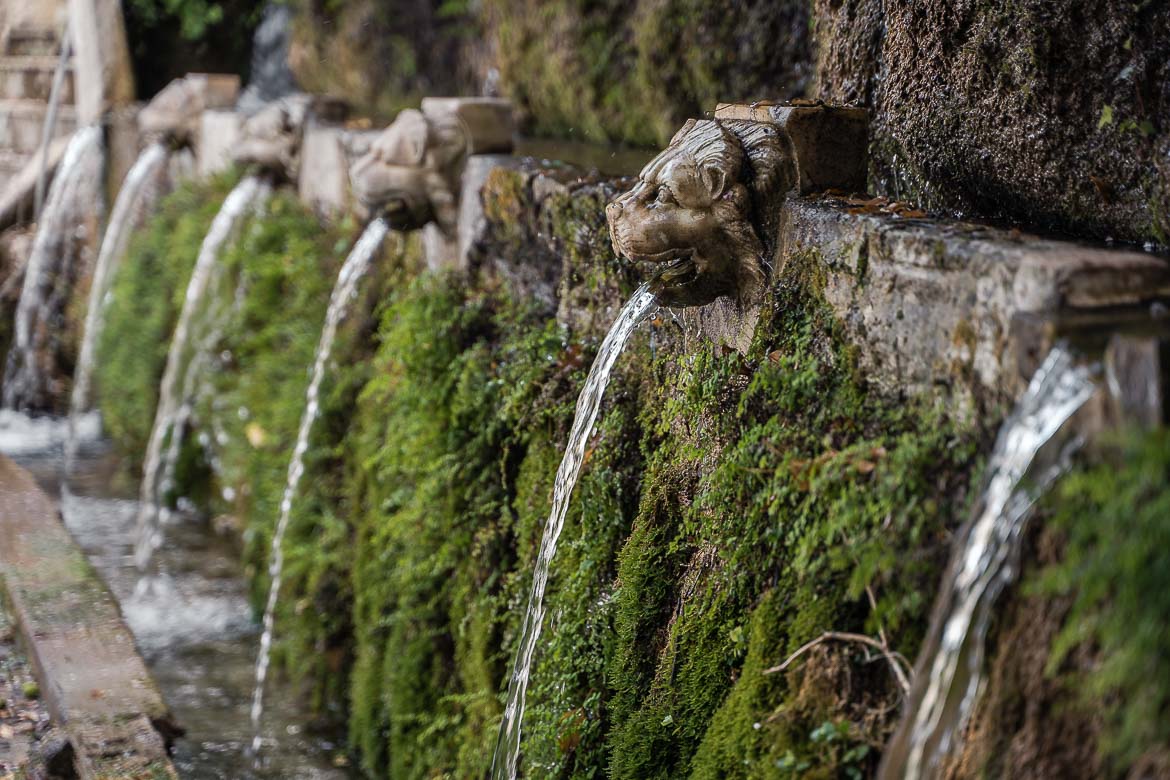
Tap water in Athens and several other places in Greece is perfectly safe to drink. Yet, in some places, tap water can be harmful to your health.
Always check with your hotel staff about the quality of tap water in the area you’re staying.
Smoking in Greece
Smoking in Greece is not permitted indoors. However, it’s allowed outdoors.
Don’t be surprised if you find yourselves surrounded by clouds of smoke while eating or drinking outside, on the ferry’s deck, or on the beach.
Wherever there’s no roof above your head or walls around you, smoking is allowed.
Accessibility in Greece
People with disabilities should plan their trips to Greece well in advance, as not all hotels have facilities for a comfortable stay.
If you’re having mobility issues, you should know that some places in Greece may not suit your needs.
In most cases, ramps are scarce, sidewalks are narrow, and paths are uneven. Not all beaches in Greece have the necessary infrastructure to accommodate people with disabilities, either.

Safety in Greece
Greece is a relatively safe country, but as we often like to say, common sense is your best travel buddy. The smaller and less crowded the place you’re visiting, the safer it is.
However, in big cities, especially Athens, you should avoid sketchy neighbourhoods at night, even more so if you’re a woman travelling solo or in a small group.
Furthermore, not all areas in Greece respond the same to public displays of affection from members of the LGBTQ community. As a rule of thumb, in tourist areas, you will feel more accepted as an openly gay traveller.
That being said, please refrain from public displays of affection in remote areas at all times to avoid falling victim to attacks fuelled by bigotry and hatred.
Of course, before travelling to Greece, purchasing travel insurance is a good idea for peace of mind in case your travel plans change.

Languages Spoken
Greek is the only official language in Greece. Learning just a few words or lines can take you a long way.
That’s one of the best Greece tips we could ever give you, as locals will be thrilled to see you try and they’ll go out of their way to help you.
That said, most Greeks, especially younger generations, speak English fluently. In fact, it’s not uncommon to hear them speak other languages, such as Italian or Spanish, too.

Electricity in Greece
The standard voltage in Greece is 230V and the standard frequency is 50Hz. The main socket types are C and F.
If you’re travelling to Greece from the United States, pack a travel adaptor so you don’t have to worry about buying one during your vacation.
5 Best Places To Visit in Greece
1. Athens
Athens may not be the most attractive city in Europe, as many elegant neoclassical mansions, broad avenues, and grand open spaces have been replaced by unattractive blocks of flats.
However, the city boasts a unique style that resembles a modern concrete jungle.
No trip to Greece is complete without visiting this vibrant capital. The numerous charms of Athens more than compensate for its less appealing features.
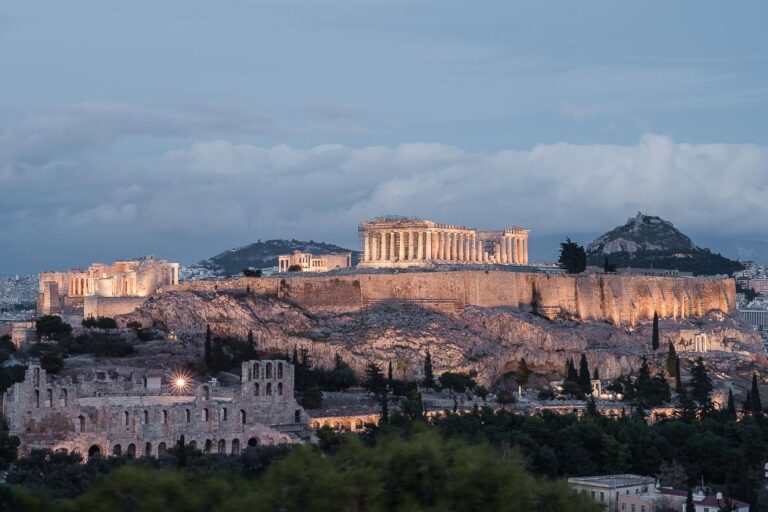
Some of the best reasons to explore Athens include visiting the Acropolis and other sun-kissed relics, spending hours in the city’s fantastic museums, and enjoying breathtaking views from Filopappou Hill.
If Athens is part of your itinerary for Greece, make sure to check out our ultimate travel guide to Athens and our recommended Athens 3-day itinerary.

2. Greek Islands
Experiencing the magic of the Greek Islands is probably the main reason why people from all over the globe flock to Greece. There are hundreds of islands in Greece, divided into six main groups, five of which are in the Aegean Sea.
Some Greek islands are ideal to explore without a car, while others, such as Crete, Lesvos, or Naxos, are perfect for road-tripping.
Our guide on which Greek island is the best for you will help you plan your island-hopping itinerary.

Saronic Islands
Aegina, Agistri, Hydra, Poros, Salamina and Spetses comprise the Saronic Islands near Athens. Most of these islands are just a couple of hours from Piraeus Port, making them ideal for a short island trip from Athens.
If you’re short on time, a great way to see some of the prettiest Saronic Islands is to take a full-day cruise from Athens.
Cyclades Islands
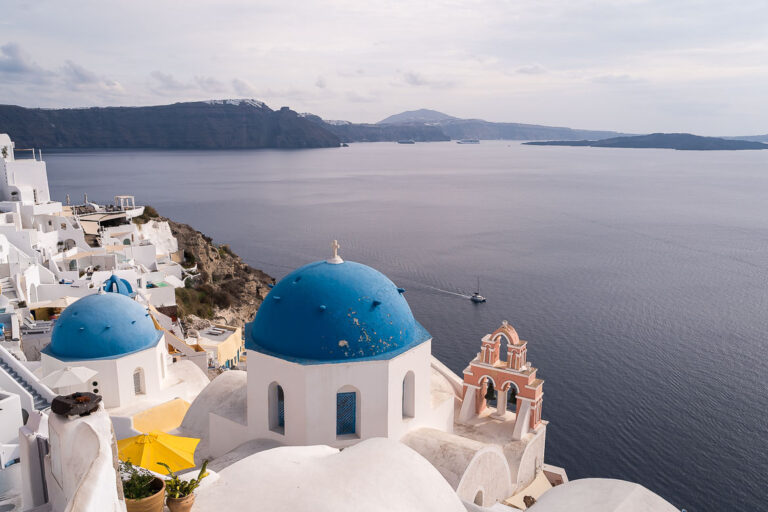
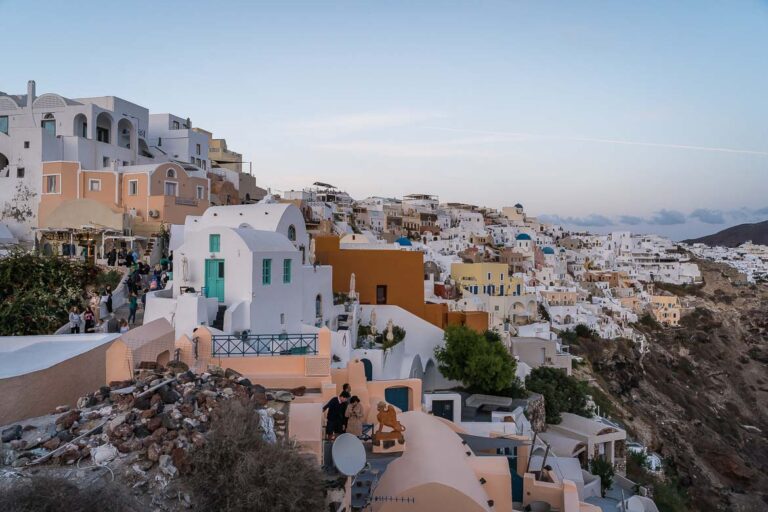
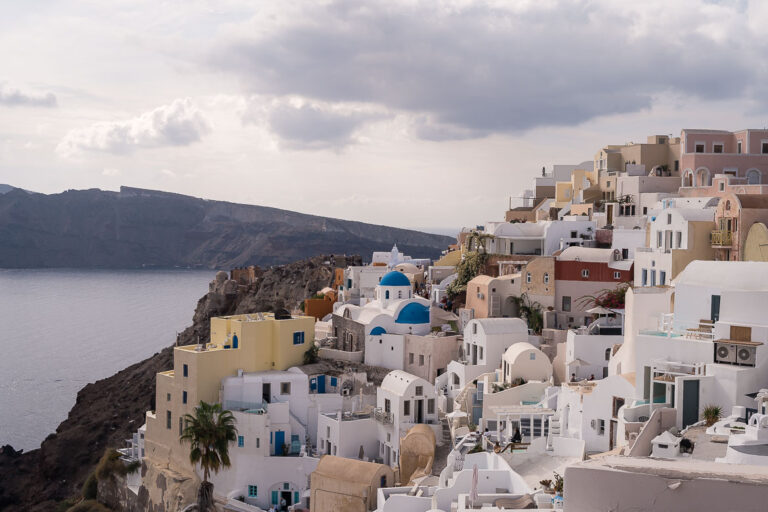
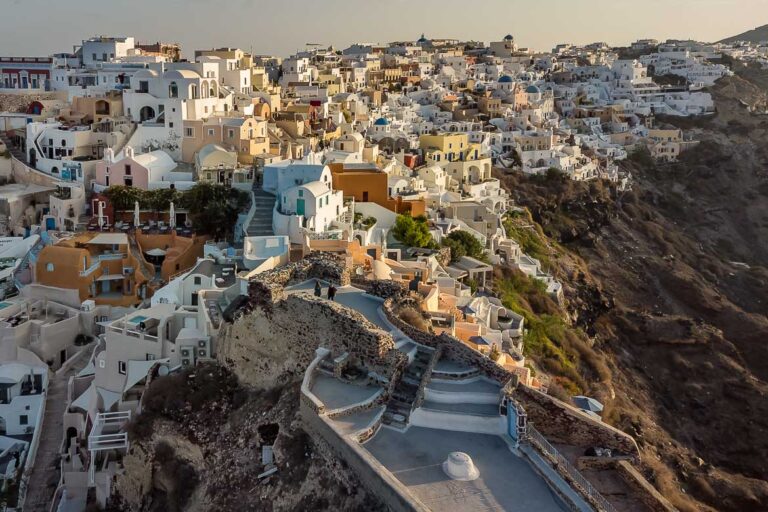
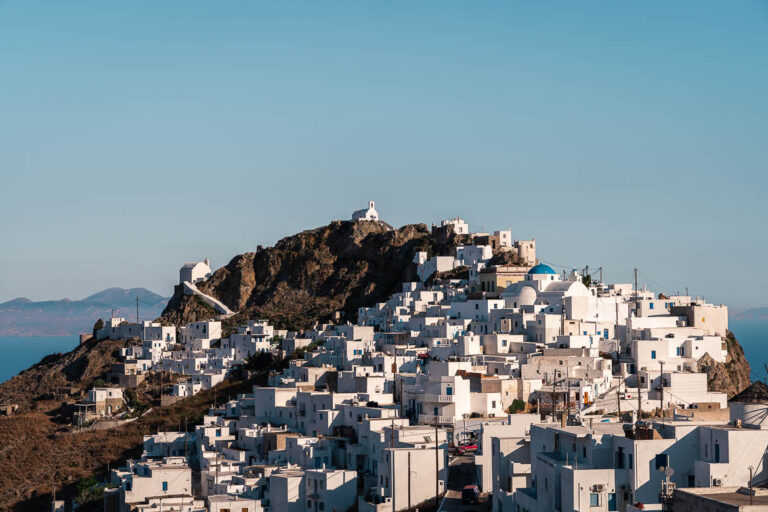
The Cyclades are the most famous islands in Greece. Some of these islands have airports, with Mykonos and Santorini having connections to several countries.
The ferry trip to most of the Cyclades from Piraeus Port in Athens ranges from two to eight hours.
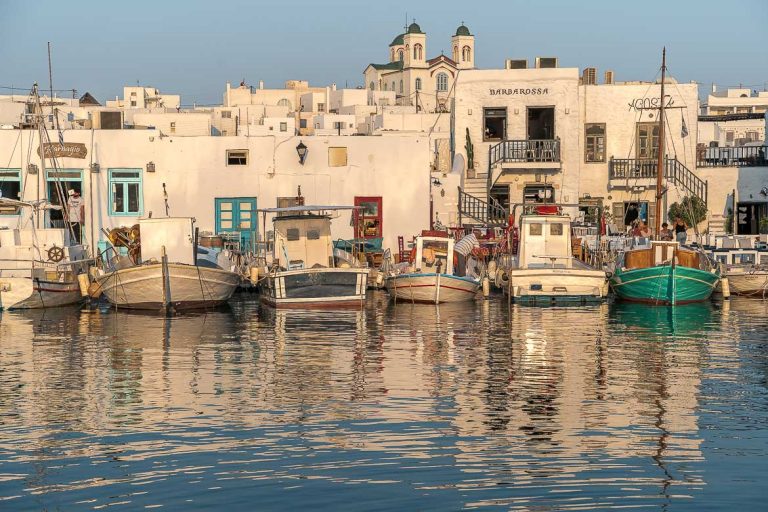
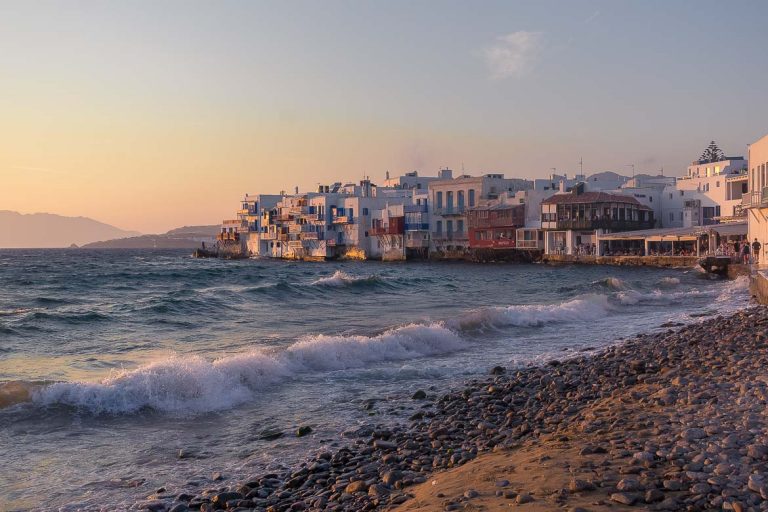
Mykonos and Santorini are the most popular islands, while Paros and Naxos tend to be crowded with locals during the peak season.
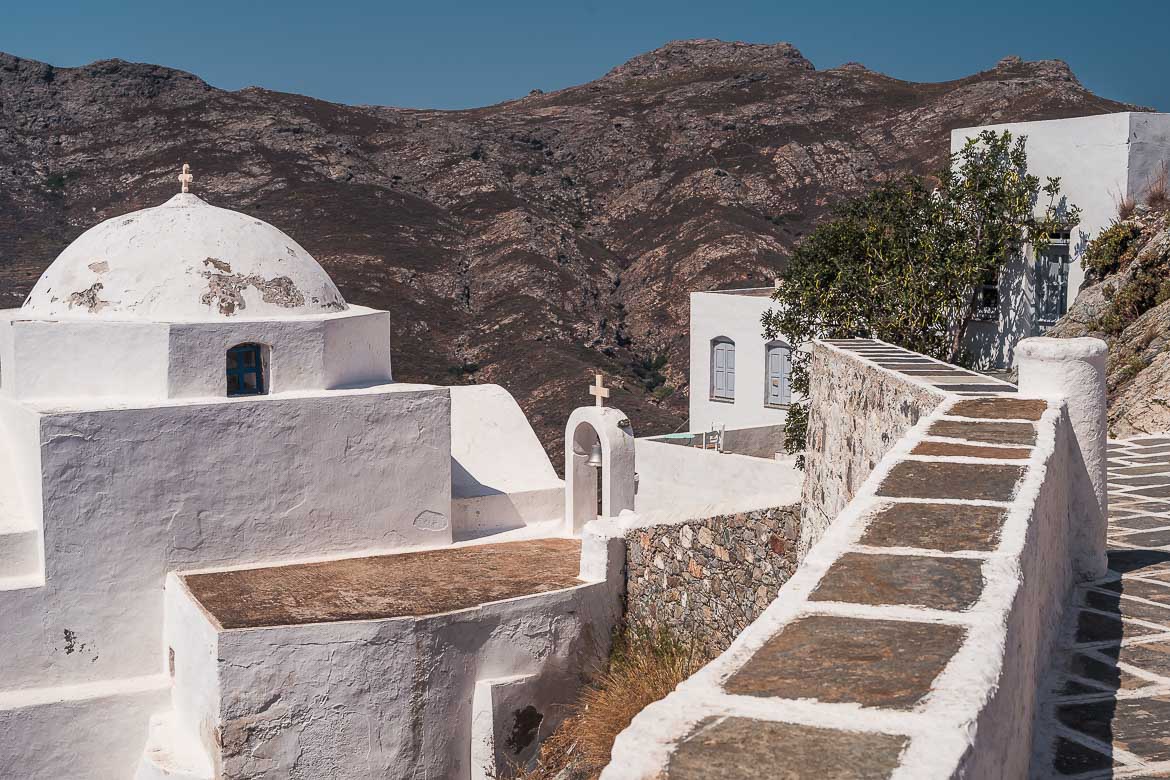
However, there are several hidden gems in the Cyclades, like Amorgos, Milos, Sifnos, Anafi, Serifos, Kimolos, Antiparos, Tinos, and Andros, among others.

For an authentic experience, there is a smaller complex within the complex of Cyclades, the Small Cyclades.
On the island of Iraklia, on the charming rock of Donoussa, in laid-back Schinoussa and cosmopolitan Koufonissia is where you’ll fall in love with Greece.
No matter which of the Cyclades Islands you choose to add to your Greece itinerary, be prepared for breathtaking scenery and some of the most beautiful beaches you could ever wish for.
North Aegean Islands & The Dodecanese
The North Aegean Islands and the Dodecanese are situated in the easternmost part of the Aegean Sea. Both island groups can be reached by ferry from Piraeus and Lavrio ports in approximately eight to fifteen hours.
These two island groups are worth visiting for their diversity of landscapes, rich culture and traditions.
From world-renowned islands, such as Rhodes, to off-the-beaten-path gems like Lemnos, Astypalaia and Karpathos, these two island groups have something for everyone.

Sporades Islands
Skiathos, Skopelos, Alonnisos and Skyros comprise the Sporades, four unique islands with lush greenery and turquoise waters. Among them, Skiathos is the most popular, with direct flights from across Europe.
Ferries to the Sporades Islands operate from Volos, Agios Konstantinos and Evia Island.
Ionian Islands
In the Ionian Sea, Corfu, Zakynthos, Kefalonia, Ithaca and a few more comprise the Ionian Islands or Eptanisa (Seven Islands).
This cluster of gorgeous islands boasts stunning nature and remarkable architecture, music and culture, largely influenced by neighbouring Italy.
Most of the Ionian Islands have international airports, and all of them can be easily reached by ferry from ports in western Greece, typically within a couple of hours.
Notably, Lefkada is the only island connected to the mainland by a bridge.

Crete
Located in the southern Aegean Sea, Crete is the largest island in Greece. With warm temperatures and a mild climate year-round, it’s the ideal destination to visit at any time.
The island boasts stunning landscapes, including majestic mountains, diverse gorges, idyllic beaches, and lush palm forests.
Crete has three airports with numerous domestic and international flights. There are also several ports that connect the island to Piraeus Port and several Aegean Islands daily.

Watch all our Greek Island-inspired Greece travel videos:
3. The Peloponnese
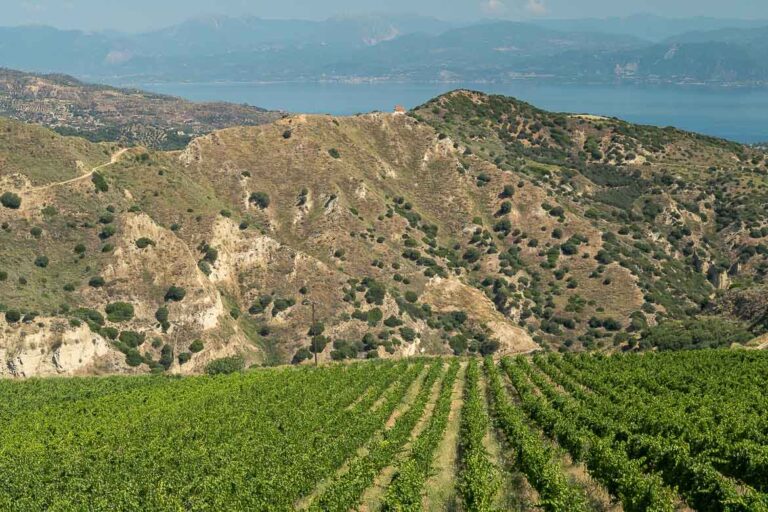
Few places in Greece can compare with the diversity, incredible scenery and century-old traditions of the Peloponnese.
Moreover, this peninsula of wonders in southern Greece is intertwined with Greek history in more ways than we can count.
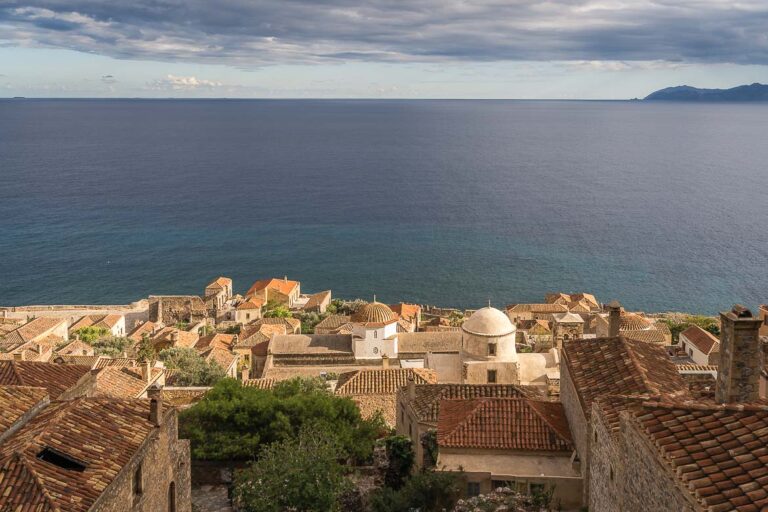
Explore the Peloponnese on a road trip to discover historical cities such as Nafplio and Monemvasia, and take in the stunning landscapes of the Mani and Messenia regions.
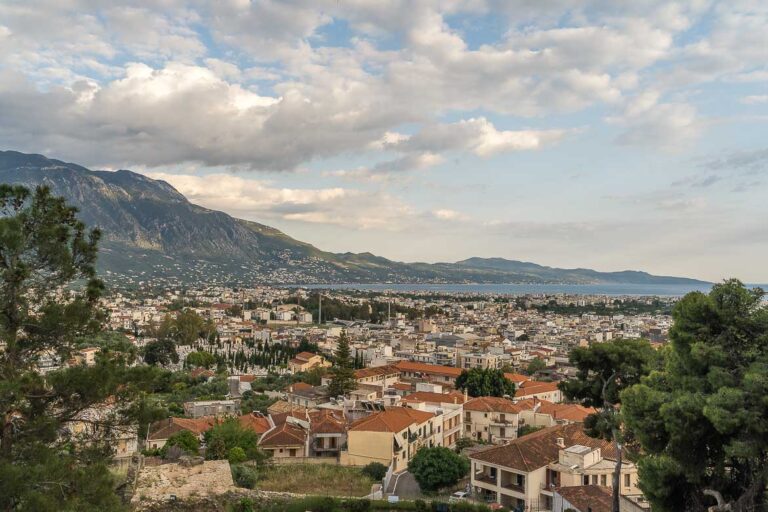
From visiting Kalamata with its famous olives to the most exotic island in Greece, Elafonisos, the Peloponnese peninsula has it all.

4. Epirus
Yet another of the country’s most diverse regions, Epirus is one of the most authentic places to visit in Greece.
With its rugged yet magnificent scenery, rich history and traditional architecture, Epirus is a year-round destination that should be added to every Greek itinerary.
The prettiest city in Epirus is Ioannina, a vibrant university city dominated by a photogenic lake. Moreover, the region abounds in natural wonders such as rivers, mountains, gorges and long sandy beaches.

5. Meteora
Meteora is a cluster of century-old monasteries built atop dramatic natural pillars that can easily qualify as the most impressive landscape in mainland Greece.
The area is a UNESCO World Heritage Site and one of Greece’s main attractions.
If you don’t have enough time for an overnight stay in Meteora, there are plenty of guided tours and day trips to Meteora from either Athens or Thessaloniki.
Top 5 Things To Do in Greece
1. Wander Around Ancient Ruins
Greece is home to one of the world’s oldest civilisations, which explains why sightseeing there is so significant. From the northern regions to the southern islands, there are numerous ancient sites in Greece to explore.
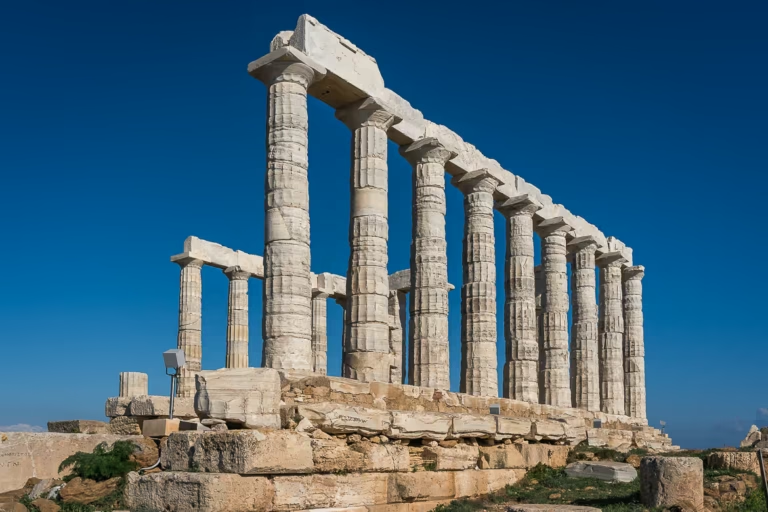
Besides the famous Acropolis, one of our favourite archaeological sites in Attica is the Temple of Poseidon in Cape Sounion.
On the island of Santorini, you can learn everything about the Cycladic Civilisation and its unique figurines. Meanwhile, in Crete, the Minoan Palace of Knossos serves as the setting of the renowned myth of the Minotaur.

2. Go Hiking
The weather in Greece is generally mild, making hiking one of the best activities in spring and autumn. There are countless hiking trails in Greece for hikers of all levels.
From hiking on Andros Island to the rugged mountains of the Peloponnese, Greece features a few certified trails, such as the 100-kilometre Andros Route and the wondrous Menalon Trail.
No matter where you travel in Greece, you’ll find incredible hiking paths that will lead you through the breathtaking Greek countryside, filled with stone bridges, cobblestone paths, and beautiful flora and fauna.

3. Enjoy The Sea
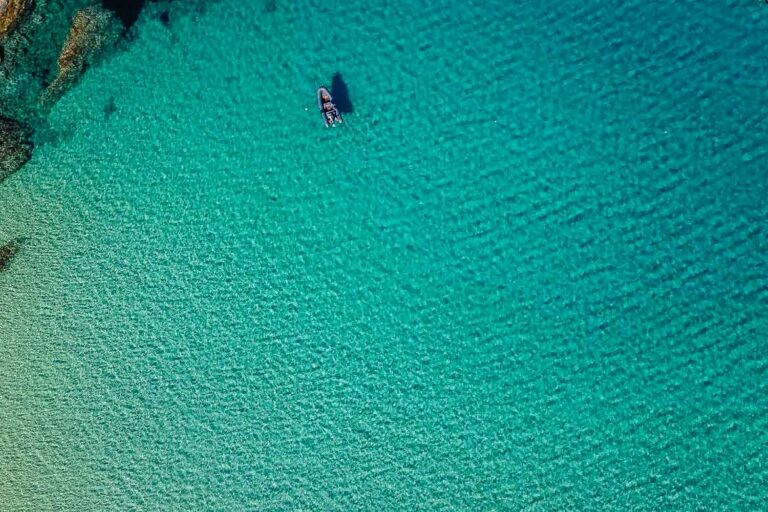
The sea in Greece is a dream. This is why most travellers can’t wait to dip their toes in the sand and dive into its cool waters.
Whether you are on the mainland or the islands, pristine beaches with crystal clear waters aren’t hard to find.
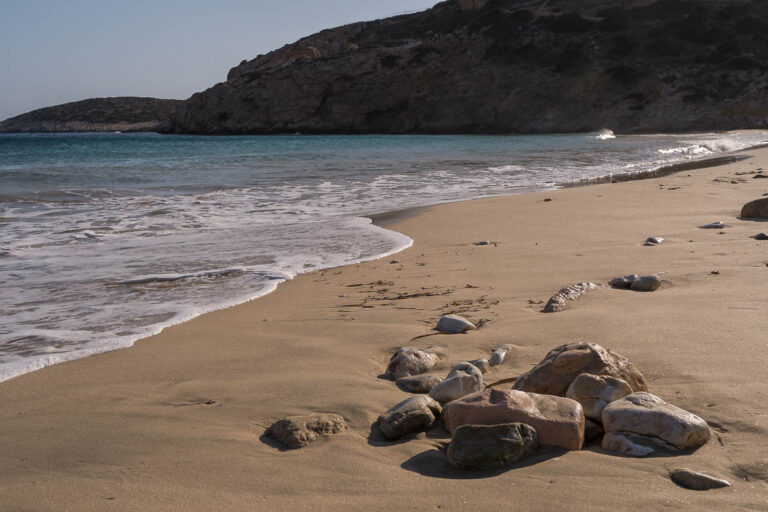
There are beaches for all tastes in Greece. From endless stretches of golden sand to rocks carved by the force of the waves, you are sure to find your personal favourite Greek beach.

4. Attend a Local Feast
Local feasts, or panegiria in Greek, coincide with the most important religious celebrations. Although there are local feasts throughout the year, the majority of panegiria take place in the summer.
During a local festival, you can dance to the sound of traditional Greek music, savour local delicacies and drink homemade wine.
Attending a local feast is an unparalleled experience you don’t want to miss, regardless of where you are in Greece.
That said, some places in Greece are famous for their local feasts. For instance, Ikaria Island is the flagship Greek destination for panegiria.

5. Savour The Outdoors
Whether it’s a lazy or a super active holiday in Greece you’re dreaming of, one thing’s for sure. In Greece, you won’t have enough of spending time outside, savouring the fragrances of nature and the cool breeze.
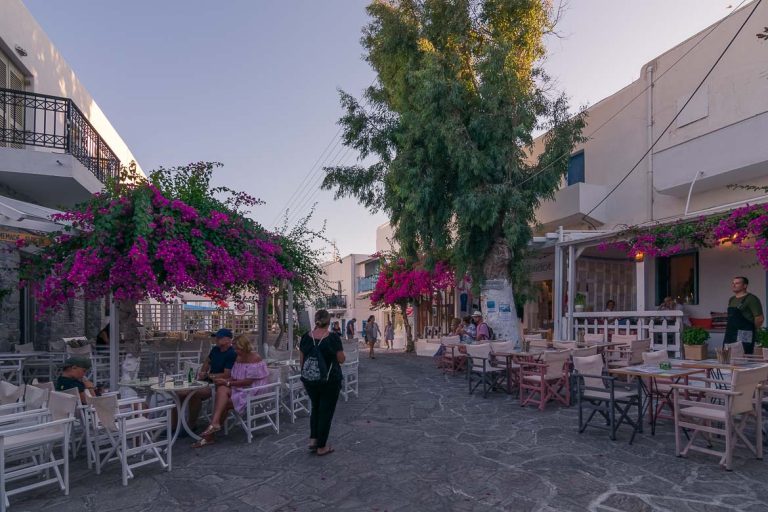
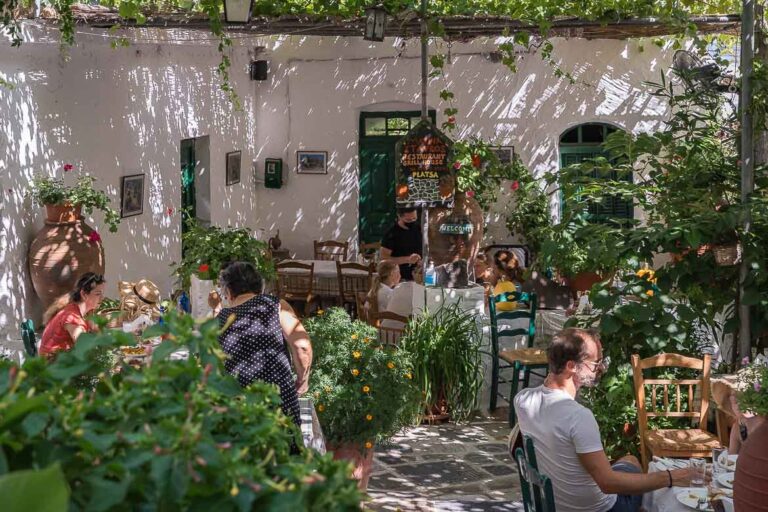
Year-long outdoor seating is one of the things Greeks take great pride in. So, don’t be surprised if you get the chance to dine outside even during the winter months.
Furthermore, planning a trip to Greece means that you can enjoy the best outdoor activities, such as kayaking, kite-surfing and countless more.

Food in Greece
Food in Greece is a good reason to visit the country in its own right. A fine example of the world-renowned Mediterranean diet, Greek cooking represents one of the world’s healthiest and most delicious cuisines.
Based on fresh local products and recipes that have been passed on from one generation to the next for centuries on end, food in Greece is one of the things that will make you keep going back to the country.
Greek Olive Oil & Olives
Extra virgin olive oil lies at the core of Greek cooking. Apart from savouring the goodness of Greece’s liquid gold, as it’s often referred to, you should also taste the (addictive) olives themselves.

Greek Cheese
Since we’re on the subject of gold, feta cheese is often called Greece’s white gold and it’s the indisputable star of the famous Greek Salad.
Yet it’s not only feta that cheese lovers should focus on. Greece produces several types of high-quality cheese that largely vary from place to place.
In general, look out for graviera, mizithra, and kasseri, three of the most common types of cheese in Greece. That said, always try the local types of cheese in the specific destinations you’re visiting in Greece.

Street Food in Greece
The most famous street food is, of course, souvlaki, which also comes in many vegetarian versions with mushrooms or halloumi cheese instead of meat.
Other street food options include delicious Greek pies, such as cheese pie, spinach pie and bougatsa (sweet cream pie).

Vegetarian Food in Greece
Greece is very accommodating to vegetarians, offering a wide variety of traditional vegetarian and vegan dishes.
Some of the best vegetarian dishes in Greece include stuffed tomatoes and bell peppers (gemista), giant beans (gigantes), and vegetarian fritters like zucchini balls.
Whether you’re at a traditional tavern, a kafenio, a bakery, or a fancy restaurant, you’ll find several vegetarian or vegan options available.

Greek Desserts
Your sweet tooth will be spoiled for choice in Greece. Yet, if you’re looking for something traditional to try, you should know that local desserts aren’t as fancy as their Western European counterparts.
Some of the best sweets to try in Greece are Greek doughnuts (loukoumades), Greek custard pie (galaktoboureko) and spoon sweets. At Christmas, don’t miss melomakarona and kourabiedes.

Drinks in Greece
Greek wine is also worth your attention, so be sure to sample the local varieties during your trip to Greece.
Other quintessentially Greek alcoholic beverages include ouzo, tsipouro, rakomelo and Metaxa brandy.
Coffee lovers won’t be disappointed either. Try a cup of hot Greek (or Turkish) coffee or a glass of super-strong frappé coffee.

3 Greece Travel Tips For The Responsible Traveller
1. Don’t Facilitate Animal Abuse
Unfortunately, some anachronistic practices in Greece are still promoted as tourist attractions.
For instance, donkey rides in Santorini and Hydra, as well as horse-and-carriage rides on Spetses Island and elsewhere, persist despite being relics of a bygone era when people relied on animals for daily commutes.
Today, there are always better alternatives. For example, opting for a private transfer or using public transport is a more responsible way to travel than riding a donkey.
Yet these rides are still advertised as must-do activities in Greece. In reality, they are nothing more than animal cruelty disguised as attractions for profit, topping the list of things to avoid while in Greece.

2. Avoid All-Inclusive Deals
All-inclusive deals offered by grand resorts and hotels sound tempting, but their negative impact on the local economy is enormous.
Most of these resorts are run by multinational brands. Therefore, the money they’re making never goes back to the local communities.
If you choose to support independent businesses, you’re making a significant difference for locals and you’re promoting sustainable Greece tourism.
Not to mention that you’re missing out on the authenticity of the places you’re visiting when travelling on all-inclusive Greece vacation packages.

3. Shop Local
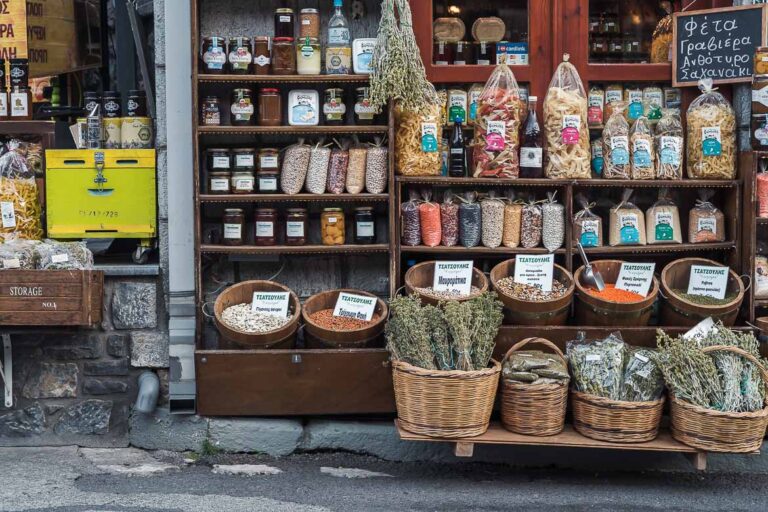
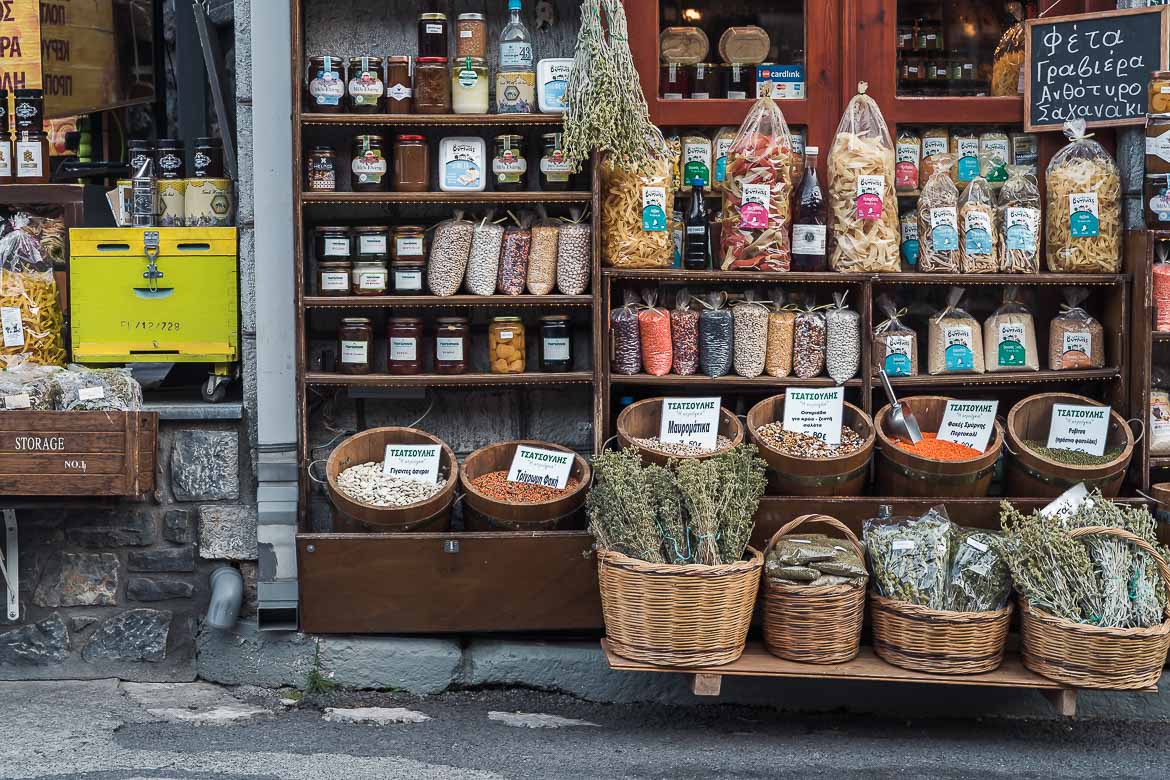
Whether it’s an evil eye charm or a local pasta, we all tend to shop while travelling. When in Greece, discover independent shops that sell local, handmade products throughout the country.
It’s best to buy handmade, high-quality local products to support the local economy. Some of the best things to buy in Greece include worry beads, handmade ceramics, and delicious Greek delicacies like Kalamata Olives.
Greece Travel Inspiration
If you’re looking for inspiration for choosing a destination in Greece, here are two lists featuring the best films and books set in Greece.
Top 3 Films Set in Greece
- Mamma Mia – set on Skopelos Island.
- The Big Blue – set on Amorgos Island.
- Little England – set on Andros Island.
Top 3 Books Set in Greece
- It’s All Greek To Me by John Mole – set on Evia Island.
- Zorba The Greek by Nikos Kazantzakis – set in Crete.
- The Island by Victoria Hislop – set in Crete.

If you’re planning a trip to Greece, we hope that this ultimate Greece travel guide can help you map out the Greek escape of your dreams.
But if the task sounds daunting, you don’t have to do it all alone.
Our travel planning services are designed to help you get to know the real Greece, with suggestions from two well-travelled locals that never stop exploring their home country – us.